Travel Guides
Vegetarian and Vegan Food in China
Easier than most people expect and harder than it looks. Where the traps are — stock, lard, oyster sauce, and the word for vegetable that also means something else.
Updated · Hidden Valley Travel
Why it is easier than you think
China has a 1,500-year Buddhist vegetarian tradition, and the temple kitchens that grew out of it are genuinely vegan — no egg, no dairy, no alliums in the strict ones. Cities have dedicated vegetarian restaurants, and they are good.
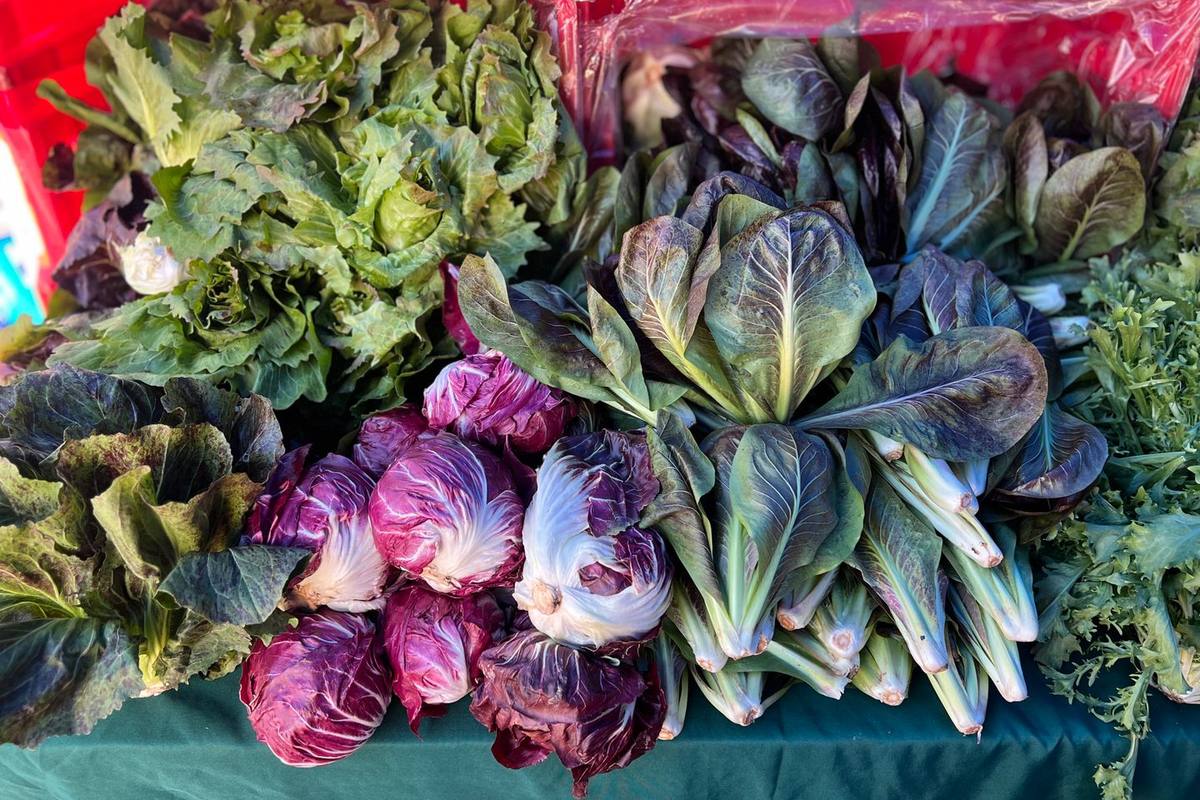
Vegetable dishes are on every menu and the vegetable cooking is excellent: dry-fried green beans, garlic greens, aubergine in fish-fragrant sauce, mapo tofu made without meat on request.
Where the traps are
Stock. A dish described as vegetable may be cooked in chicken or pork stock. This is the most common problem and it is invisible. Lard. Used for frying vegetables and for pastry in much of the country. Oyster sauce and fish sauce, which are in a great many stir-fries and in most vegetarian restaurant food too. The word (sù) means vegetarian in a Buddhist sense — no meat, but sometimes egg and dairy, and never alliums. It does not automatically mean vegan.What to do
Get the sentence written down in Chinese and show it rather than saying it. Our guides carry a card and will order for you — this is the single most useful thing a guide does for a vegetarian traveller in China.
Learn (wǒ bù chī ròu, I don't eat meat) and (no egg, no dairy). Pointing at a dish and saying (does this have meat) gets a straight answer from most kitchens.
For vegans, tell us at booking so we can pre-arrange with the kitchens on the route rather than negotiating at every meal.