Destinations
Zhangjiajie
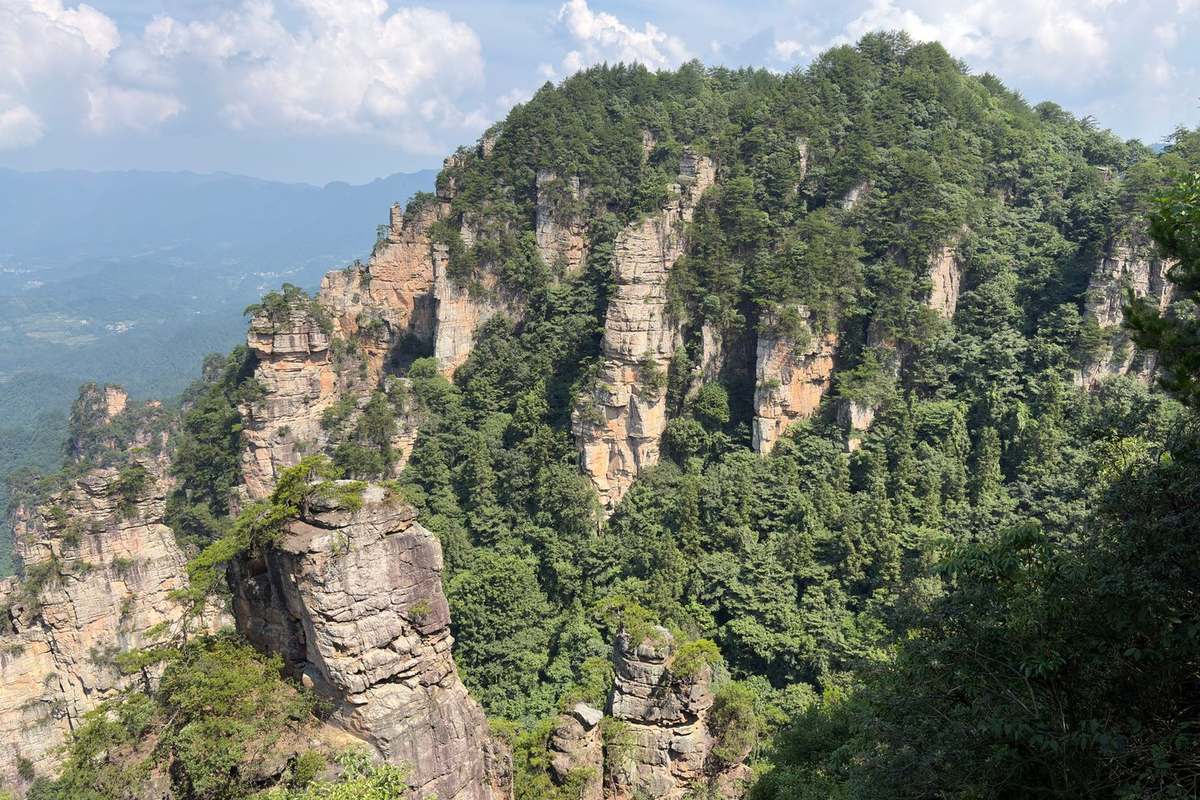
More than 3,000 quartz-sandstone pillars rise out of the mist in Zhangjiajie National Forest Park — the landscape that gave Avatar its floating mountains, and unlike most film locations, it really looks like that.
Why the pillars are there
The rock is a thick bed of Devonian quartz sandstone laid down around 380 million years ago. Uplift cracked it into a rectangular joint pattern; water then exploited those joints and cut the deep gorges between them, leaving columns that stand 200 to 300 metres high with near-vertical sides. Vegetation grows straight out of the cracks near the tops, which is why the pillars look suspended in air when cloud fills the valleys.
Where to stand
- Yuanjiajie — the platform facing the pillar later renamed "Avatar Hallelujah Mountain" after the film. The busiest viewpoint in the park.
- Tianzi Mountain — a long ridge with views over the pillar field; fewer people than Yuanjiajie and, on a clear day, the better panorama.
- Jinbian Stream — a flat 7 km walk along the valley floor looking up at the columns. Monkey troops, cold clear water, and the only part of the park that does not involve stairs.
- Tianmen Mountain — a separate site near the city with a cable car, a cliff-hugging walkway and the 99-bend road. The glass walkway sections require shoe covers and a steady nerve.
- Glass Bridge — 430 m long, 300 m above the canyon floor, in a separate park about an hour away. Book ahead; daily tickets are capped.
Combining with Fenghuang
Fenghuang Ancient Town, a Miao and Tujia settlement on the Tuo River with wooden stilt houses over the water, is about three hours away by road and pairs naturally with three days in the park. Go for the evening lanterns, and accept that the daytime crowd is part of the deal.
Practical notes
Weather is the variable: cloud gives you the dramatic photos and takes away the long views, and both happen on the same morning. Build in a spare day. Paths inside the park are steep and stair-heavy — this is not a flat walk, and the park shuttle buses between zones save a great deal of climbing.
How long and when to go
Three to four days: forest park 2, Tianmen Mountain 1, Grand Canyon glass bridge half a day. April–May and September–November; July–August is rainy and fogged in, though the clear day after rain is often the best light of the year.
What to eat
Sanxia guo hotpot, rock-ear fungus chicken, blood tofu, kudzu starch and a platter of cured meats. Restaurants at the Wulingyuan gate are noticeably cheaper than inside.
Where to go from here
Tours that include Zhangjiajie
Below are the published routes that actually stop in Zhangjiajie — with the day it falls on, how long you stay and what you do while you are there. Read the day-by-day plan first; every one of these is a fixed departure with an English-speaking guide and a small group.
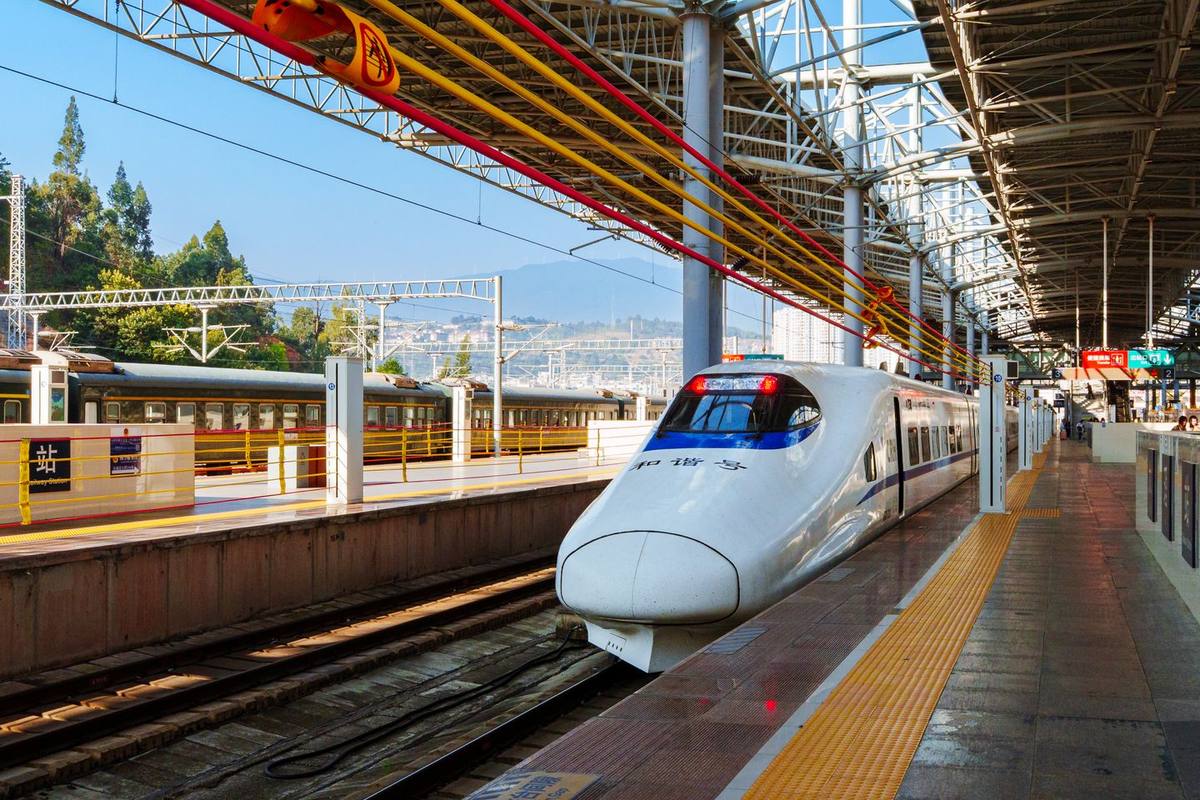 China by High-Speed Rail 12-Day Tour
12 days · 12
from $2480
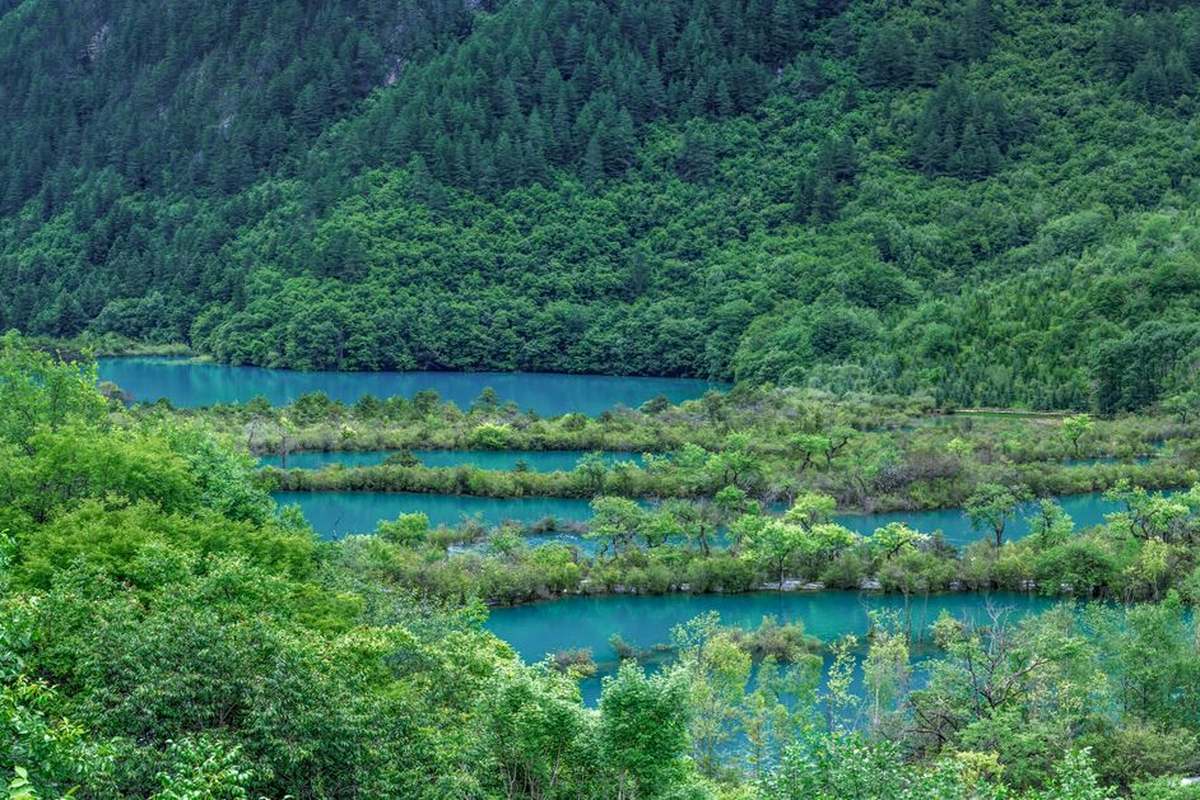 Jiuzhaigou & Huanglong 5-Day Tour: Turquoise Lakes and Travertine Terraces
5 days · 12
from $1120
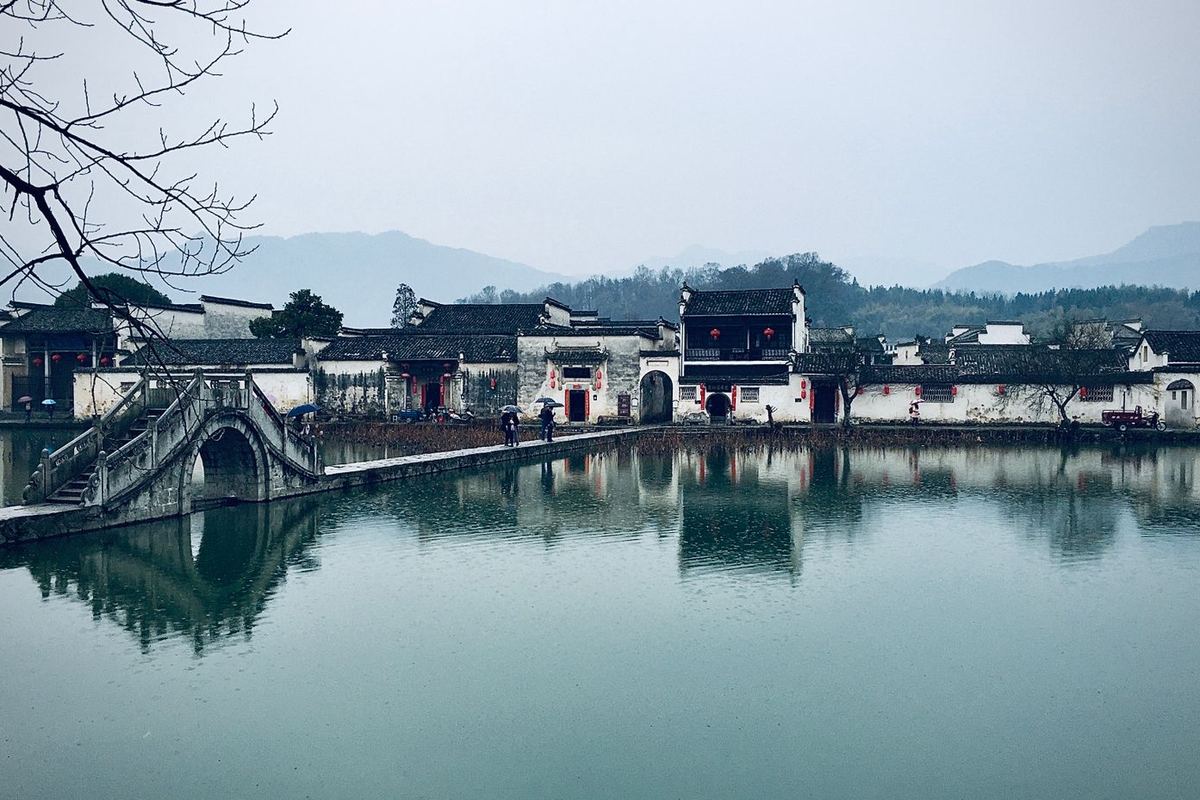 Huangshan & Huizhou 4-Day Tour: Yellow Mountain & the Ancient Villages
4 days · 12
from $880
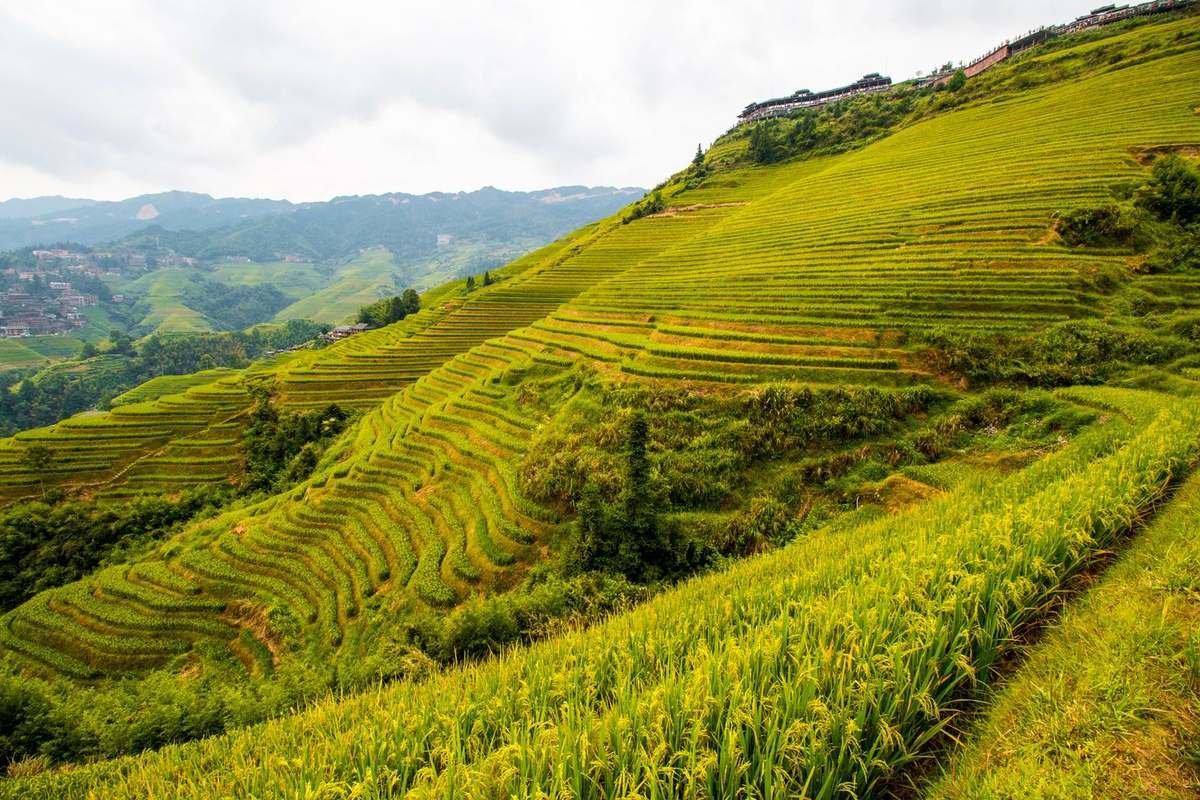 Guilin & Yangshuo 5-Day Tour: Li River, Karst & Rice Terraces
5 days · 12
from $980
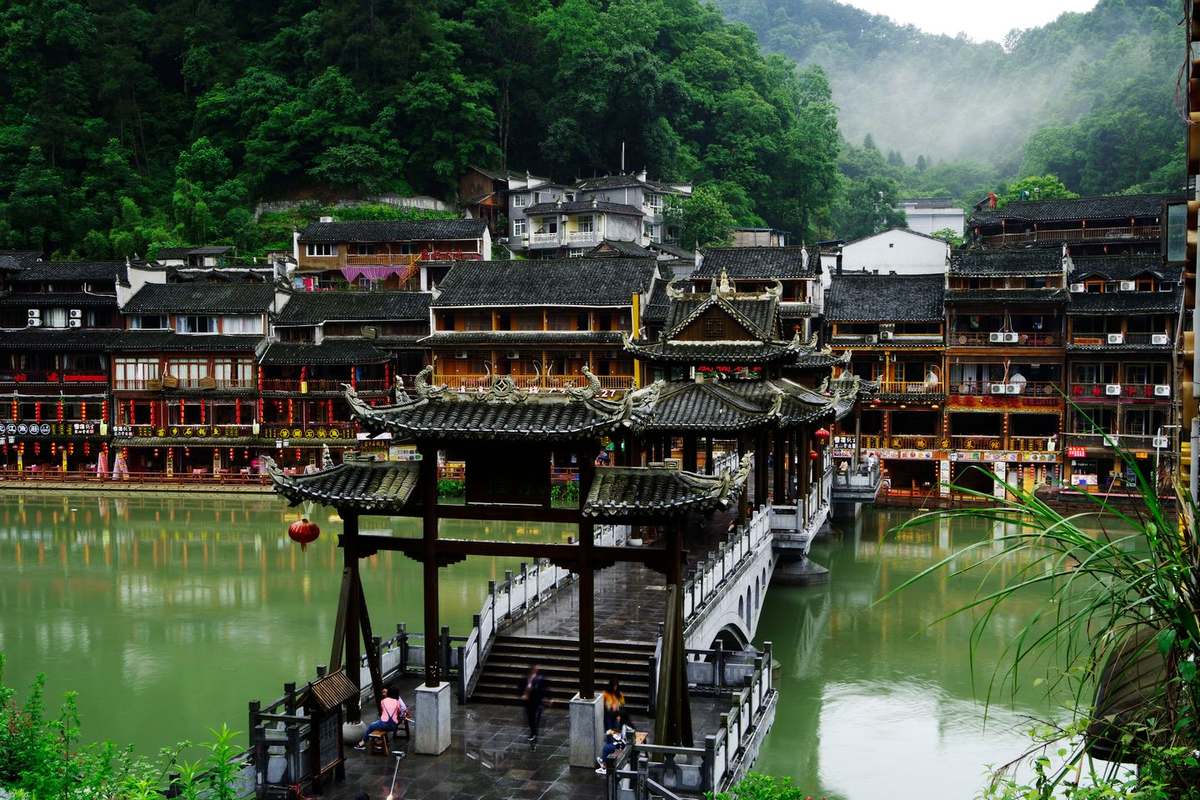 Zhangjiajie & Fenghuang 6-Day Tour: Avatar Mountains & the Old Town
6 days · 12
from $1180
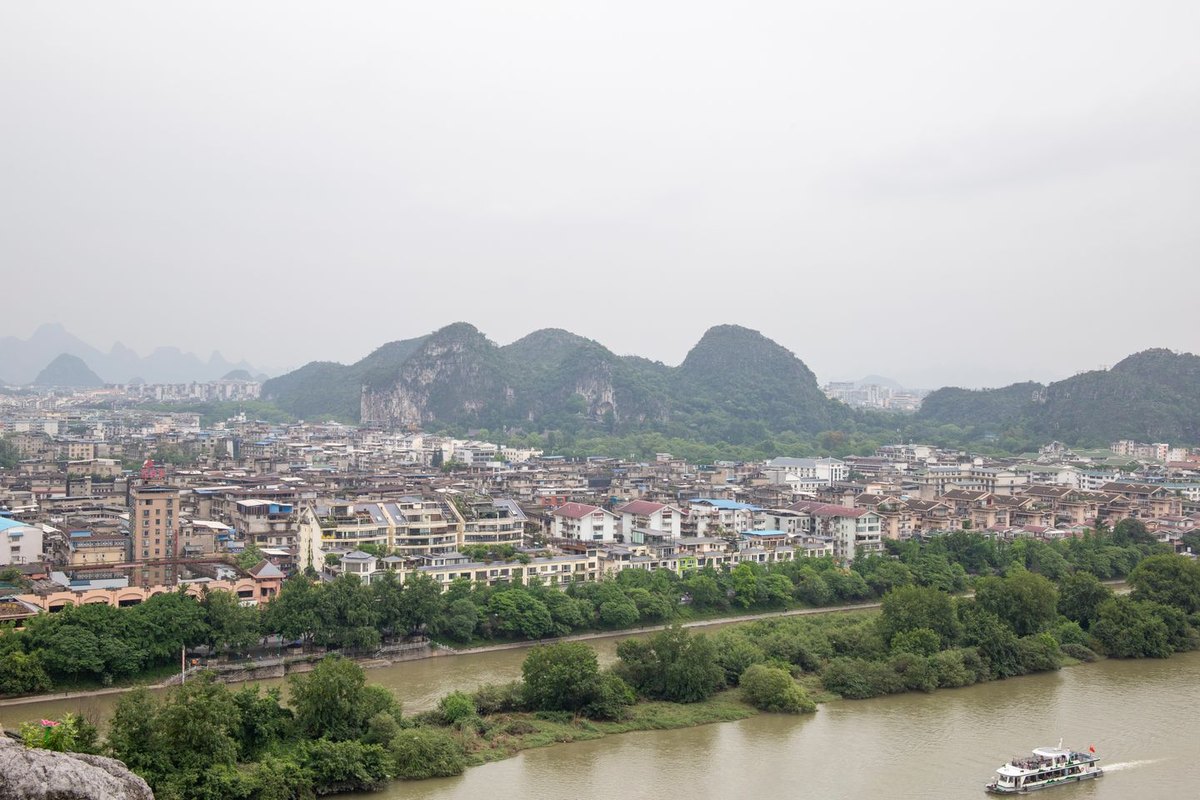 Best of China 14-Day Tour: Beijing, Xi'an, Zhangjiajie, Guilin & Shanghai
14 days · 12
from $2680