Hidden Valley Travel

North & Northeast

Beijing

The Forbidden CityTian'anmen SquareJingshan Park

Xi'an

Terracotta ArmyXi'an City WallMuslim Quarter

Harbin & Northeast China

Central StreetSt Sophia CathedralIce and Snow World

Inner Mongolia Grasslands

Xilamuren GrasslandHulunbuir GrasslandErgun River

East China

Shanghai

The BundYu GardenThe Former French Concession

Hangzhou

West LakeLingyin TempleLongjing Tea Plantation

Suzhou

Humble Administrator's GardenMaster of the Nets GardenLion Grove Garden

Huangshan

Hongcun VillageXidi VillageTunxi Old Street

Qingdao, Mount Tai & Shandong

Mount LaoConfucius TempleCemetery of Confucius

South & Southwest

Guilin & Yangshuo

Li RiverYulong RiverLongji Rice Terraces

Zhangjiajie

YuanjiajieTianzi MountainGolden Whip Stream

Lijiang & Dali

Lijiang Old TownJade Dragon Snow MountainBaisha Village

Sanya & Hainan Island

Yalong BayWuzhizhou IslandWuzhishan Rainforest

Xiamen & Fujian

Gulangyu IslandNanputuo TempleFujian Tulou

Guizhou & Huangguoshu

Huangguoshu WaterfallXijiang Miao VillageZhaoxing Dong Village

Kunming & the Stone Forest

Stone Forest

Fenghuang Ancient Town

West & Silk Road

Chengdu

Chengdu Panda BaseJinli Old Street

Jiuzhaigou & Northern Sichuan

Jiuzhaigou ValleyHuanglong Scenic AreaSongpan Ancient Town

Lhasa & Tibet

Potala PalaceJokhang TempleDrepung Monastery

Dunhuang

Mogao CavesSinging Sand Dunes & Crescent LakeYumen Pass

Kashgar

Kashgar Old TownId Kah MosqueKashgar Sunday Bazaar

Qinghai & Xining

Kumbum Monastery (Ta’er Temple)Qinghai LakeChaka Salt Lake

Shigatse & Everest Base Camp

GyantseTashilhunpo MonasteryEverest Base Camp

Turpan

Bezeklik Thousand Buddha CavesFlaming Mountains

Central & River

Chongqing & the Yangtze

Dazu Rock CarvingsThe Three GorgesQutang Gorge

Pingyao, Datong & Shanxi

Yungang GrottoesHanging TempleYingxian Wooden Pagoda

Luoyang & Henan

Shaolin TempleMount SongLongmen Grottoes

Mount Emei & Leshan

Leshan Giant BuddhaBaoguo TempleWannian Temple

Shangri-La

Songzanlin MonasteryPudacuo National Park

Tours
Travel Guides Reviews About Contact

Travel Guides

Chinese Train Classes Explained

Second class, first class, business class, soft sleeper and hard sleeper — what each one actually is, what it costs relative to the others, and whether the upgrade is worth it.

Updated · Hidden Valley Travel
Chinese Train Classes Explained

Seats

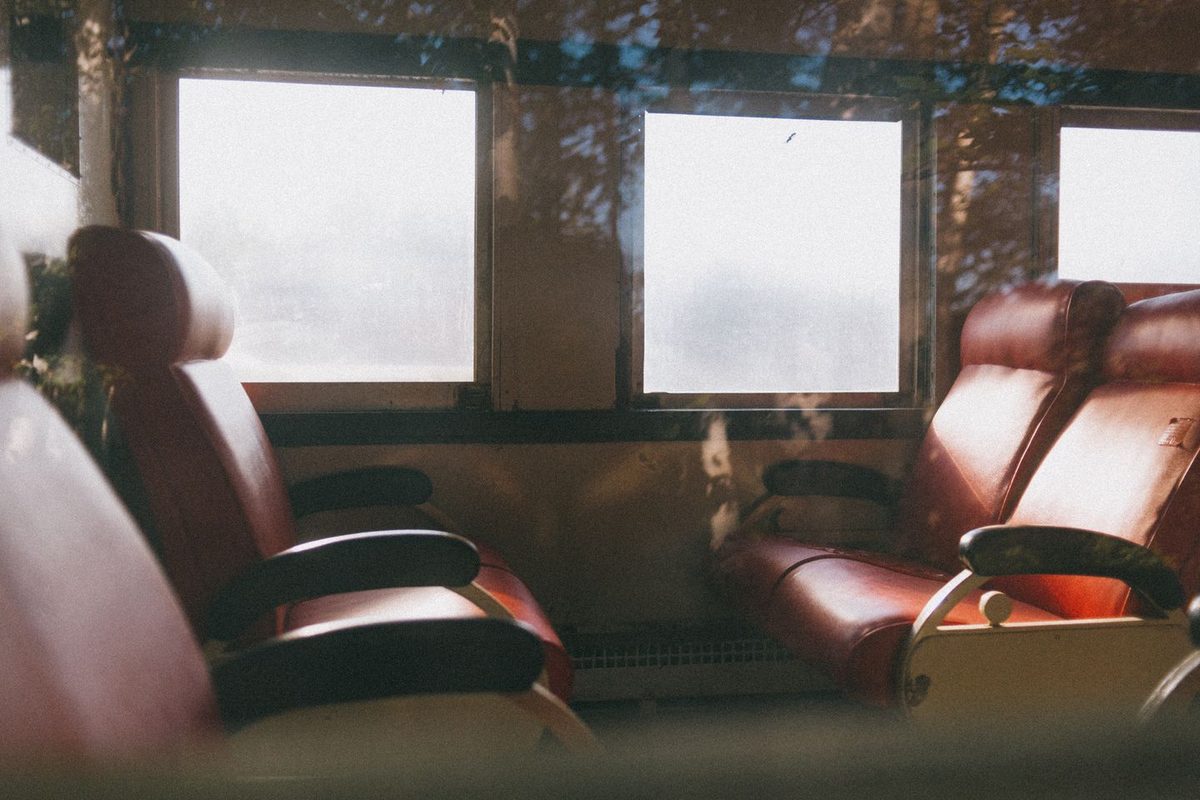
Second class is five across (3+2), reserved, reclining, with a table and a power socket. It is comfortable for six hours and it is what almost everyone takes. This is what our tours book. First class is four across (2+2), wider, quieter, and typically 60% more. Worth it on a leg over four hours if the price difference is small. Business class is 2+1 or 1+2 with lie-flat seats on some trains, lounge access at big stations, and roughly three times second class. On the Chengdu–Guilin seven-hour leg it is a real improvement; on a two-hour Beijing–Tianjin hop it is not.

Sleepers

Soft sleeper is a four-berth enclosed compartment with a door, bedding provided, and a plug. This is what we use on the Qinghai–Tibet railway, and it is genuinely comfortable. Hard sleeper is six open bunks in a bay, no door, still with bedding. Cheaper and more social, and you will sleep less. Hard seat exists on older trains; avoid it on anything over three hours.

Booking

Tickets are real-name and checked against your passport at the gate. The name must match exactly as printed in the passport you are carrying.

They release 15 days before departure and popular services sell out within hours — Beijing–Xi'an and Chengdu–Guilin are the worst. This is the single thing that breaks self-booked rail itineraries, and it is why our tours confirm dates early.

Plan your trip

Tell us your dates and we will shape the route

Every itinerary on this site is a working plan, not a template. We adjust the pace, the hotels and the cities to fit how long you have and what you want to see.

Talk to a planner Mon–Sun 09:00–21:00 (GMT+8)
Request a free plan