Hidden Valley Travel

North & Northeast

Beijing

The Forbidden CityTian'anmen SquareJingshan Park

Xi'an

Terracotta ArmyXi'an City WallMuslim Quarter

Harbin & Northeast China

Central StreetSt Sophia CathedralIce and Snow World

Inner Mongolia Grasslands

Xilamuren GrasslandHulunbuir GrasslandErgun River

East China

Shanghai

The BundYu GardenThe Former French Concession

Hangzhou

West LakeLingyin TempleLongjing Tea Plantation

Suzhou

Humble Administrator's GardenMaster of the Nets GardenLion Grove Garden

Huangshan

Hongcun VillageXidi VillageTunxi Old Street

Qingdao, Mount Tai & Shandong

Mount LaoConfucius TempleCemetery of Confucius

South & Southwest

Guilin & Yangshuo

Li RiverYulong RiverLongji Rice Terraces

Zhangjiajie

YuanjiajieTianzi MountainGolden Whip Stream

Lijiang & Dali

Lijiang Old TownJade Dragon Snow MountainBaisha Village

Sanya & Hainan Island

Yalong BayWuzhizhou IslandWuzhishan Rainforest

Xiamen & Fujian

Gulangyu IslandNanputuo TempleFujian Tulou

Guizhou & Huangguoshu

Huangguoshu WaterfallXijiang Miao VillageZhaoxing Dong Village

Kunming & the Stone Forest

Stone Forest

Fenghuang Ancient Town

West & Silk Road

Chengdu

Chengdu Panda BaseJinli Old Street

Jiuzhaigou & Northern Sichuan

Jiuzhaigou ValleyHuanglong Scenic AreaSongpan Ancient Town

Lhasa & Tibet

Potala PalaceJokhang TempleDrepung Monastery

Dunhuang

Mogao CavesSinging Sand Dunes & Crescent LakeYumen Pass

Kashgar

Kashgar Old TownId Kah MosqueKashgar Sunday Bazaar

Qinghai & Xining

Kumbum Monastery (Ta’er Temple)Qinghai LakeChaka Salt Lake

Shigatse & Everest Base Camp

GyantseTashilhunpo MonasteryEverest Base Camp

Turpan

Bezeklik Thousand Buddha CavesFlaming Mountains

Central & River

Chongqing & the Yangtze

Dazu Rock CarvingsThe Three GorgesQutang Gorge

Pingyao, Datong & Shanxi

Yungang GrottoesHanging TempleYingxian Wooden Pagoda

Luoyang & Henan

Shaolin TempleMount SongLongmen Grottoes

Mount Emei & Leshan

Leshan Giant BuddhaBaoguo TempleWannian Temple

Shangri-La

Songzanlin MonasteryPudacuo National Park

Tours
Travel Guides Reviews About Contact

Travel Guides

How to Use the Metro in Chinese Cities

The metro is the fastest way across any Chinese city and the signs are bilingual. How to pay, how to get through security, and how to avoid the two times of day you should not try.

Updated · Hidden Valley Travel
How to Use the Metro in Chinese Cities

Paying

Three ways. A single-journey token from the machine or the counter; a stored-value transit card bought at any station; or your phone, using the city's transit code inside Alipay or WeChat, which is what everyone actually uses.

Alipay and WeChat Pay both accept foreign cards now and both have a transit QR code. Set this up before you travel — it takes ten minutes at home and an hour of frustration at a station barrier.

Fares are low: $0.40–1.10 for most journeys in Beijing and Shanghai, more for airport express lines.

Getting through the station

Every station has airport-style security: bag through the scanner, body through the frame. Water bottles get checked or you drink from them. It takes thirty seconds and there is no way around it.

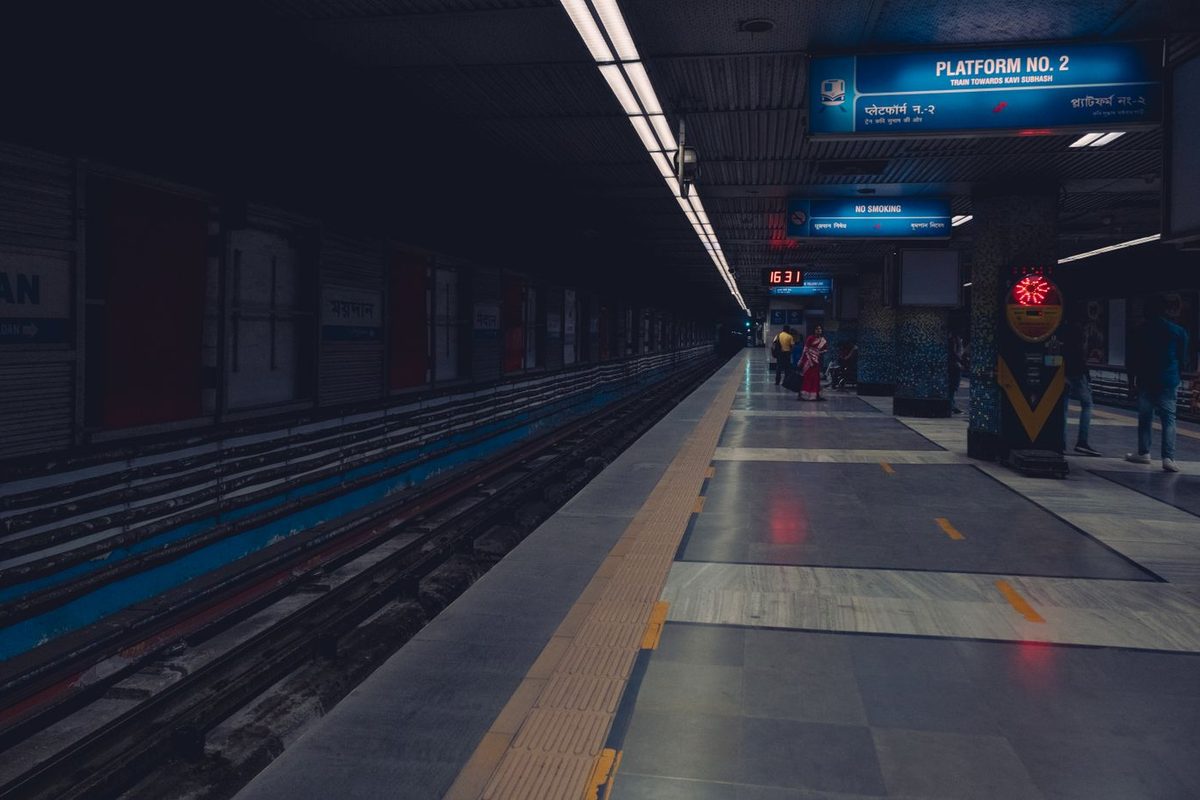
Signs and announcements are in Chinese and English throughout, and every line has a number and a colour. Interchange stations are signed with the line you are transferring to. The hardest part of any Chinese metro is the crowd at 08:30, not the navigation.

What to avoid

Rush hour is 07:30–09:30 and 17:30–19:30, and on the busiest lines it is genuinely packed. With luggage, use those windows for taxis instead.

Airport express trains are comfortable and fast, but the metro is usually a third of the price for ten minutes more. On the way in, take the metro; on the way out with four suitcases and a flight to catch, take a car.

Plan your trip

Tell us your dates and we will shape the route

Every itinerary on this site is a working plan, not a template. We adjust the pace, the hotels and the cities to fit how long you have and what you want to see.

Talk to a planner Mon–Sun 09:00–21:00 (GMT+8)
Request a free plan