Travel Guides
Best Time to Visit China: Month by Month, Region by Region
April–May and September–October are the safe answer, but the right answer depends on where you are going. What each month actually delivers, and which weeks to avoid entirely.
Updated 2026-10-29 · Hidden Valley Travel
The two safe windows
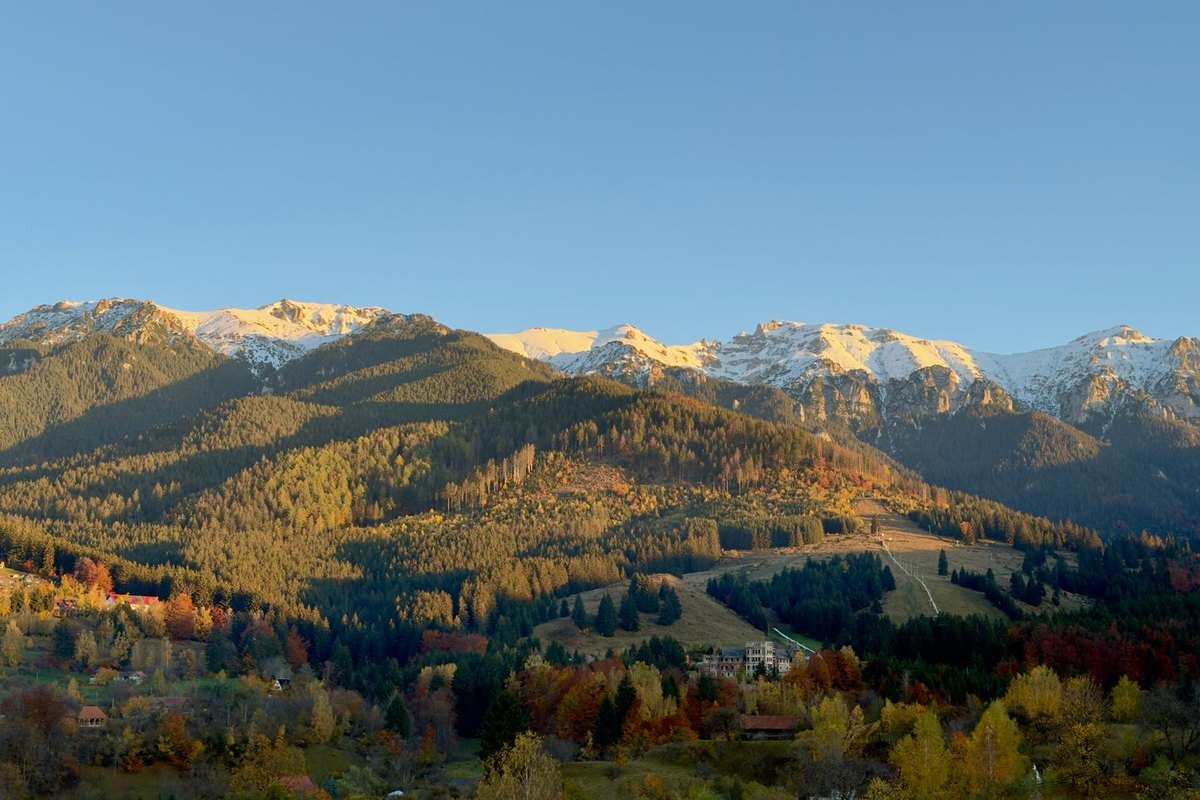
April to May and September to October are when most of the country is comfortable at once: warm but not hot in the south, clear and mild in the north, and outside the holiday peaks if you avoid the first week of May and the first week of October. If your dates are flexible and you have no specific regional target, pick one of these and stop worrying.
Month by month
- March — north still cold and bare, south pleasant. Peach and plum blossom in the Yangtze valley from mid-month. Cheapest of the shoulder months.
- April–May — the default. Longji terraces flood in May and turn to mirrors; Guilin and Yangshuo are at their best. Beijing can bring sandstorms from the north-west.
- June — hot and humid in the south, the start of the rainy season along the Yangtze. Fewer crowds and lower prices.
- July–August — school holidays, the hottest weather, and the highest domestic travel volume of the year. Go north: Inner Mongolia, Qinghai and the plateau are genuinely pleasant. Avoid the Yangtze valley cities unless you like 38 °C at 90 per cent humidity.
- September — arguably the best single month. Clear air in the north, the Longji terraces turning gold in early October just after, and lower holiday pressure.
- October — excellent weather and the worst crowds of the year in the first week. From mid-October it is the best of the year.
- November — good in the south, cold in the north. Autumn colour in Huangshan and in the Beijing parks. The cheapest month for flights on most routes.
- December–February — cold across the north, mild in the south-west, and the only window for Harbin's Ice-Snow World, which opens around the end of December and melts in early March. Huangshan under snow is a genuine reason to travel in winter.
Region by region
- Beijing and the north — April, May, September, October. Winter is dry and clear and often overlooked; January is genuinely good for the Wall if you can handle minus 5 °C.
- Shanghai, Hangzhou, Suzhou — March to May and September to November. July and August in this valley are the least comfortable weather in the country.
- Guilin, Yangshuo, Zhangjiajie — April to May and September to October. June to August brings rain that can close out river cruises and turn the Li River brown.
- Yunnan — March to May and September to November, which skips the June–September monsoon. Day-and-night temperature swing is large at altitude all year.
- Tibet — May to October, with September and October giving the clearest mountain views. Cold at night even in summer.
- Xinjiang and the Silk Road — May to October. Turpan exceeds 40 °C in high summer, which is why the September–October window is strongly preferred.
- Harbin — late December to February, and only then.
The weeks to avoid
Chinese New Year (late January to mid-February, dates move), the first week of May, and the first week of October. Hundreds of millions of domestic trips happen in those windows. Trains sell out within minutes of release, hotels double or triple, and the major sights are at several times their normal density. If you must travel then, book everything the day booking opens.