Destinations
Lhasa & Tibet
Tibet is the one region in China where a permit is mandatory, where altitude governs the schedule, and where the landscape — 4,000-metre passes, turquoise lakes, Everest's north face — is unlike anywhere else in the country.
The permit, first
Independent travel in the Tibet Autonomous Region is not permitted. All foreign visitors need a Tibet Travel Permit issued by the regional tourism bureau, plus additional permits for Everest Base Camp, Ngari and certain border counties. Permits are applied for by a registered agency on your behalf with a copy of your passport and Chinese visa, and take roughly 10–20 working days. We handle this as part of every Tibet itinerary, and we need your documents at least 15 days before departure. No permit, no boarding — this is checked at the airport and on the train.
Lhasa
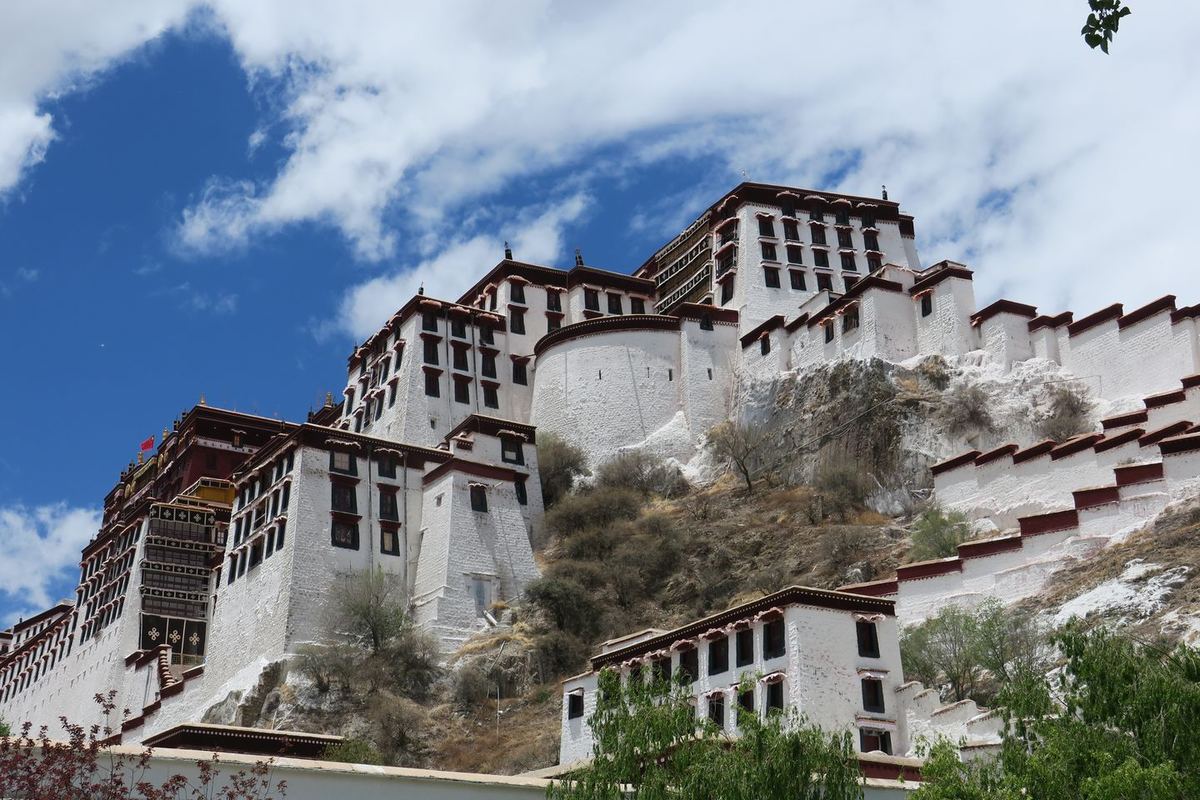
- Potala Palace — the winter palace of the Dalai Lamas, 13 storeys and 117 metres of white and red render on a rocky ridge above the city. Timed entry tickets, limited daily number, and a steep internal stair — take it slowly at 3,700 m.
- Jokhang Temple — the most venerated temple in Tibetan Buddhism, surrounded by Barkhor Street's clockwise circuit of pilgrims.
- Norbulingka and Sera Monastery — the summer palace, and the monastery famous for its afternoon debating courtyard.
Out of the city
Yamdrok Lake (4,441 m) is a turquoise body of water over the pass from Lhasa. Gyangtse has the Kumbum, a nine-tiered stupa filled with murals. Shigatse holds Tashilhunpo Monastery, seat of the Panchen Lamas. Everest Base Camp (5,200 m) is a further two days' drive across 5,000-metre passes, ending on a gravel plain facing the north face of the mountain.
Altitude
Lhasa is at 3,650 m. Two full rest days in the city before going higher is the single most important thing in any Tibet itinerary, and it is the reason our routes are structured the way they are. Symptoms of mild altitude sickness — headache, poor sleep, appetite loss — are common on day one and usually pass within 48 hours. We carry oxygen in every vehicle above 4,500 m.
How long and when to go
Five to seven days: two in Lhasa to acclimatise, then the Potala and Jokhang, plus a day to Namtso or Yamdrok Lake. May–June and September–October are clearest; July–August is both rainy season and peak season; winter has fierce sun, few visitors and the lowest ticket and room prices.
What to eat
Sweet tea, Tibetan noodles, yak dumplings, yak hotpot and barley wine. The tea houses around Barkhor are the cheapest place to sit down.
Getting here and moving on
Lhasa Gonggar airport and Lhasa railway station (the Qinghai–Tibet line, about 21 hours from Xining). Foreign travellers need a Tibet Travel Permit arranged through a registered agency roughly two weeks ahead — it cannot be applied for independently.
Where to go from here
Tours that include Lhasa & Tibet
Below are the published routes that actually stop in Lhasa & Tibet — with the day it falls on, how long you stay and what you do while you are there. Read the day-by-day plan first; every one of these is a fixed departure with an English-speaking guide and a small group.
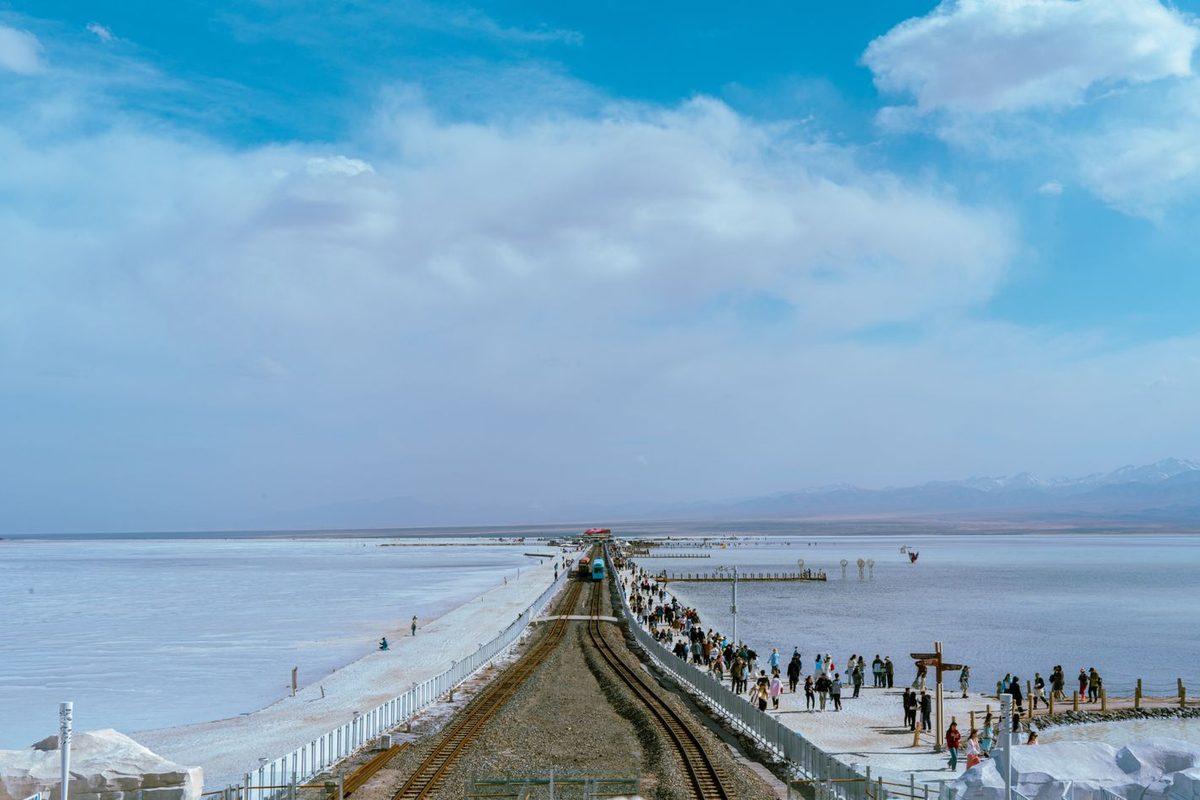 Qinghai–Tibet Railway 9-Day Tour: Xining to Lhasa
9 days · 10
from $2280
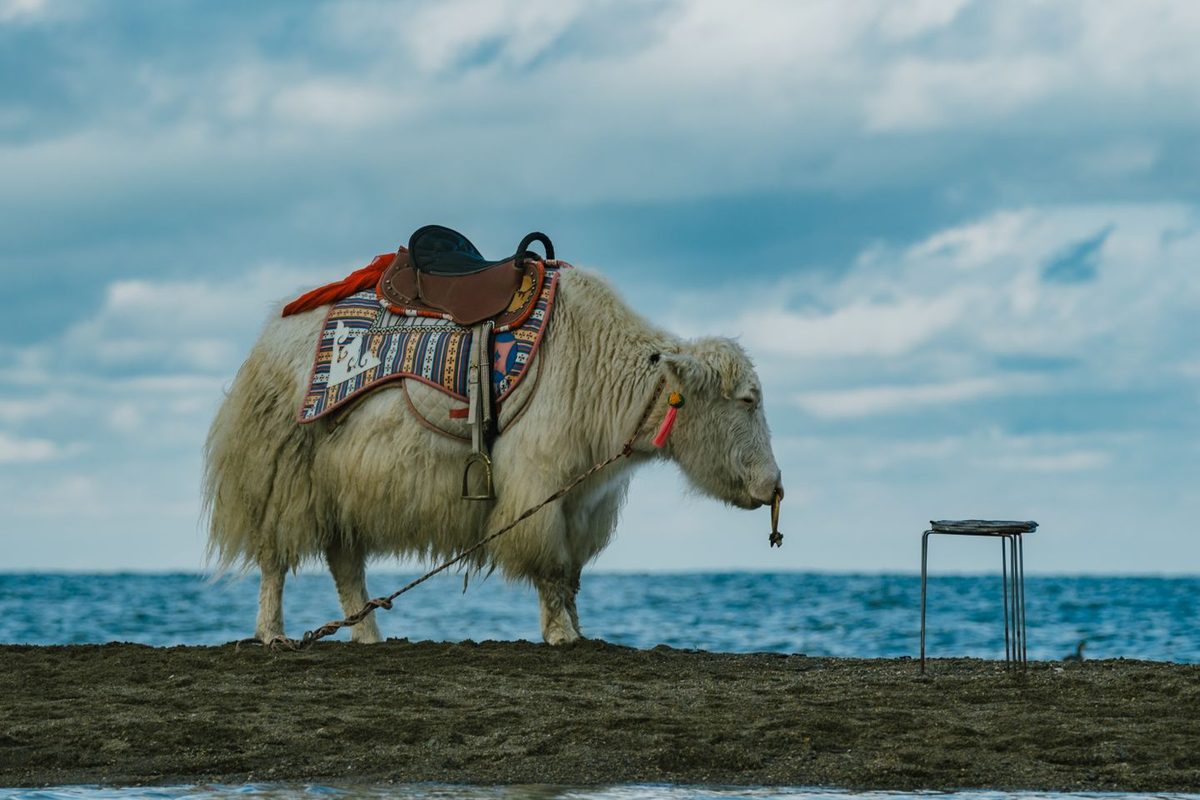 Qinghai Lake 5-Day Tour: Plateau Lakes, Tibetan Monasteries & the Yellow River Source
5 days · 10
from $820
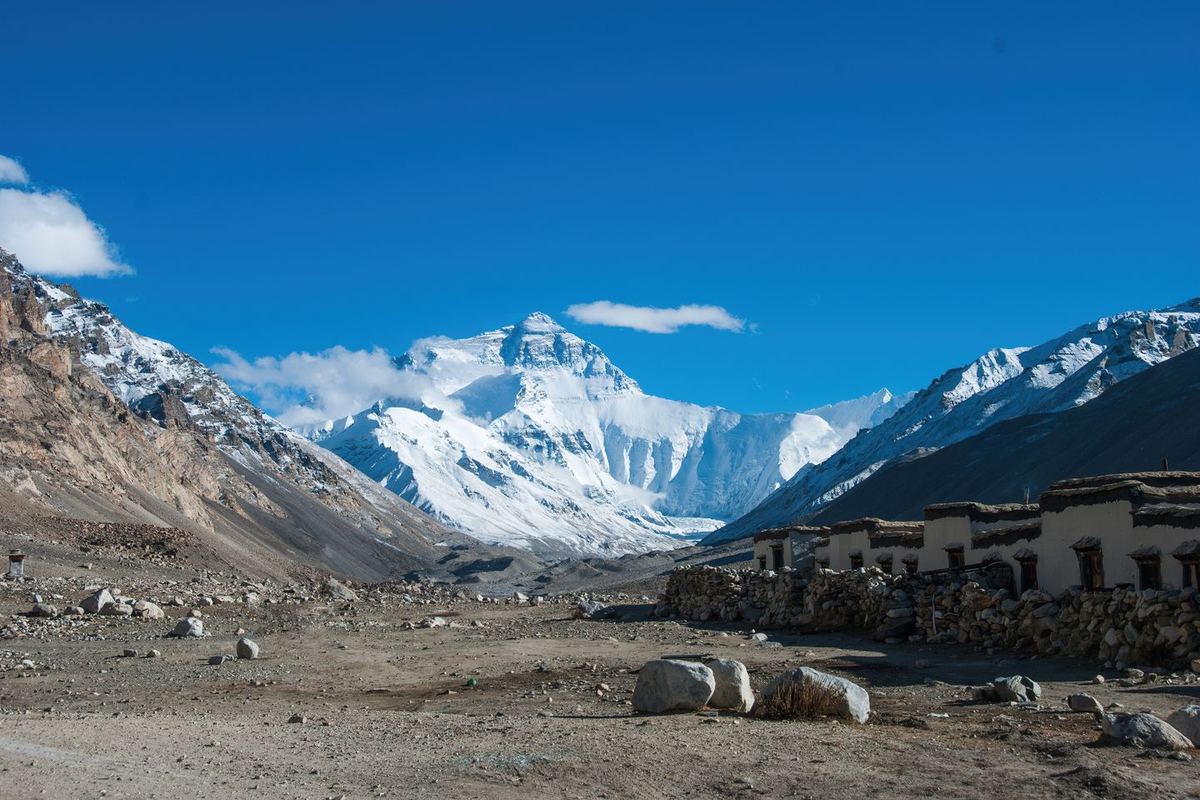 Tibet 8-Day Tour: Lhasa, Yamdrok Lake & Everest Base Camp
8 days · 10
from $2280