Destinations
Suzhou
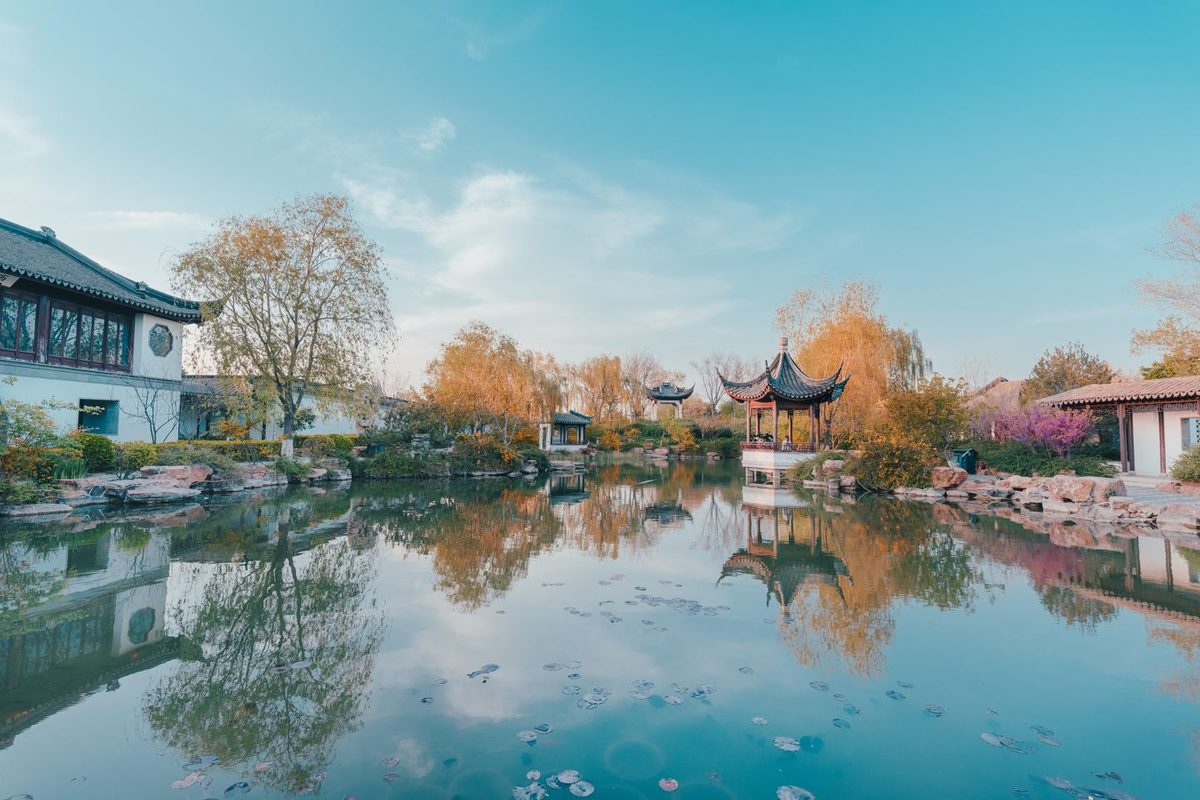
Suzhou's scholars built private gardens between the 11th and 19th centuries that compress mountains, water and architecture into a few hundred square metres. Nine of them are UNESCO listed.
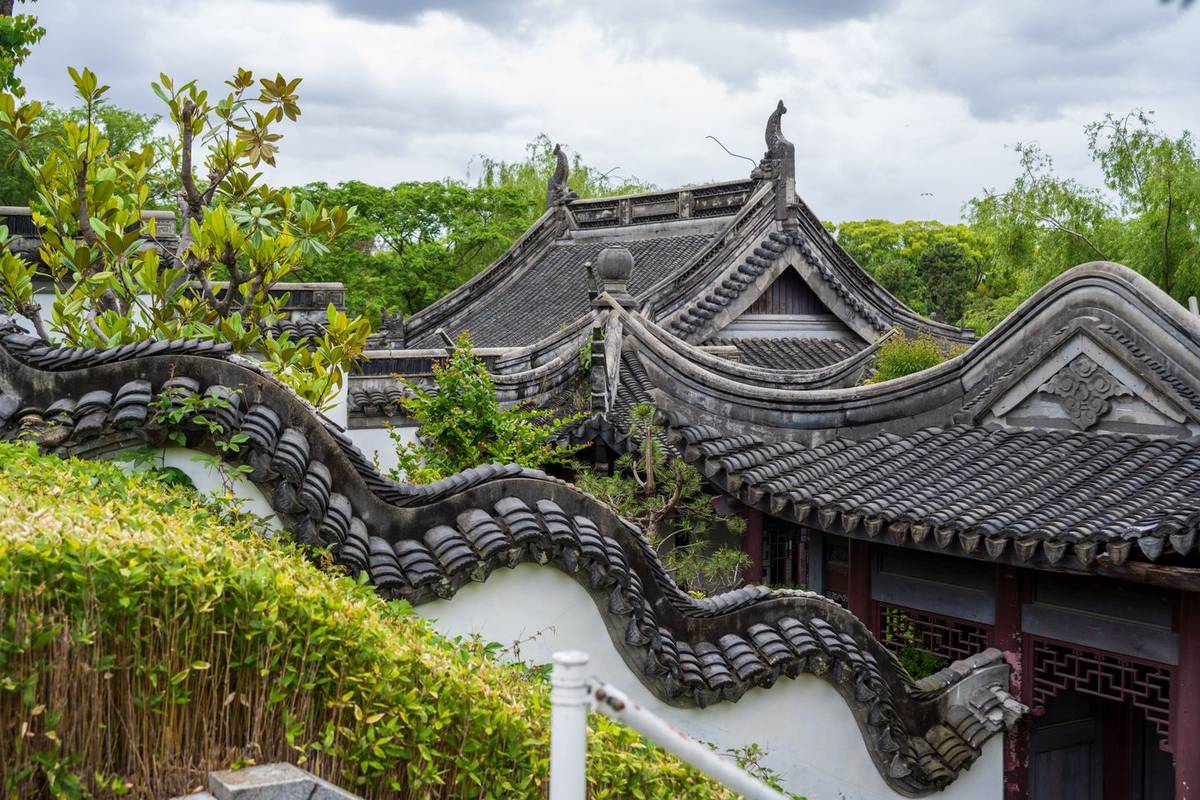
What a Suzhou garden is for
These are not flower gardens. A classical Suzhou garden is a designed sequence of framed views — rock, water, pavilion, corridor, planting — built so that walking it produces the experience of a landscape many times its size. The technique of jiejing, borrowed scenery, pulls distant pagodas and hills into the composition. Ninety minutes in a good one, ideally early or in light rain, is worth more than a rushed morning ticking off four.
Which ones
- Humble Administrator's Garden — the largest, roughly 5 hectares, and the one everyone visits. Go at opening.
- Lingering Garden — smaller, denser, and many people's favourite for the way it compresses space.
- Master of the Nets Garden — tiny, and the one that most rewards sitting still for a while.
- Canglang Pavilion — the oldest, with a corridor of carved windows along the water.
The old town
Pingjiang Road runs alongside a canal through the surviving old quarter — white walls, black tiles, willows, stone bridges, and a good deal of commerce layered on top. Shantang Street is the louder, more photographed version. Both are better after 19:00 when the day crowds leave. A rowboat on the canals costs little and is the cheapest way to see the back of the old town.
Practical notes
Suzhou is 25 minutes from Shanghai by high-speed train, which makes it an easy day trip — but staying one night lets you walk the gardens at 08:00 before the buses arrive, which is the whole trick. Suzhou is also the historical centre of Chinese silk; the Silk Museum and the embroidery workshops are the substantive versions of what the tourist shops sell.
How long and when to go
Two to three days: one for the gardens (two is plenty), half for Pingjiang Road and Shantang Street, one for Zhouzhuang or Tongli. March–May and September–November; June is the plum rain and July–August is muggy. Gardens are quietest at opening time.
What to eat
Suzhou noodle soup (come early for the first broth), squirrel mandarin fish, sizzling eel and fresh-pork mooncakes; the pan-fried bun shops queue year-round.
Getting here and moving on
Suzhou North station; 25min from Shanghai Hongqiao, 1h from Nanjing, 1.5h from Hangzhou. The metro reaches most of the garden entrances.
Where to go from here
Tours that include Suzhou
Below are the published routes that actually stop in Suzhou — with the day it falls on, how long you stay and what you do while you are there. Read the day-by-day plan first; every one of these is a fixed departure with an English-speaking guide and a small group.
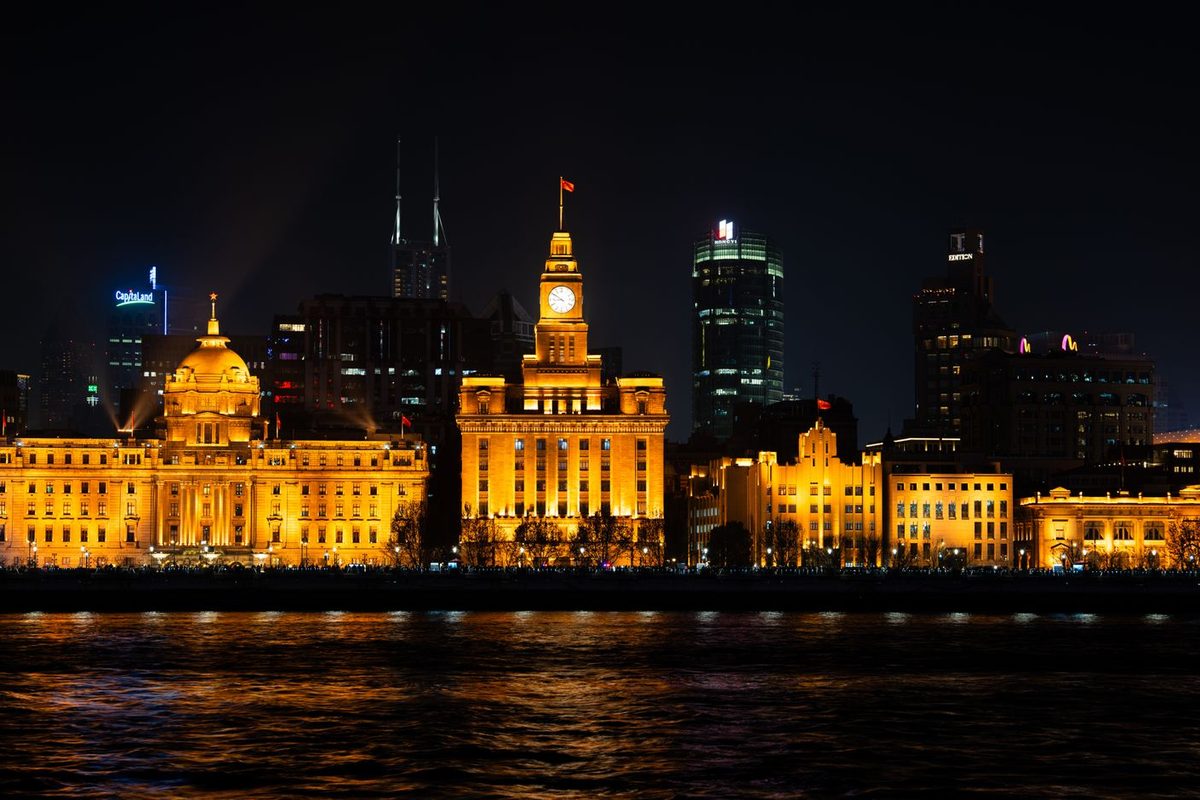 Shanghai, Suzhou & Hangzhou 6-Day Tour: The Water Towns
6 days · 12
from $1180
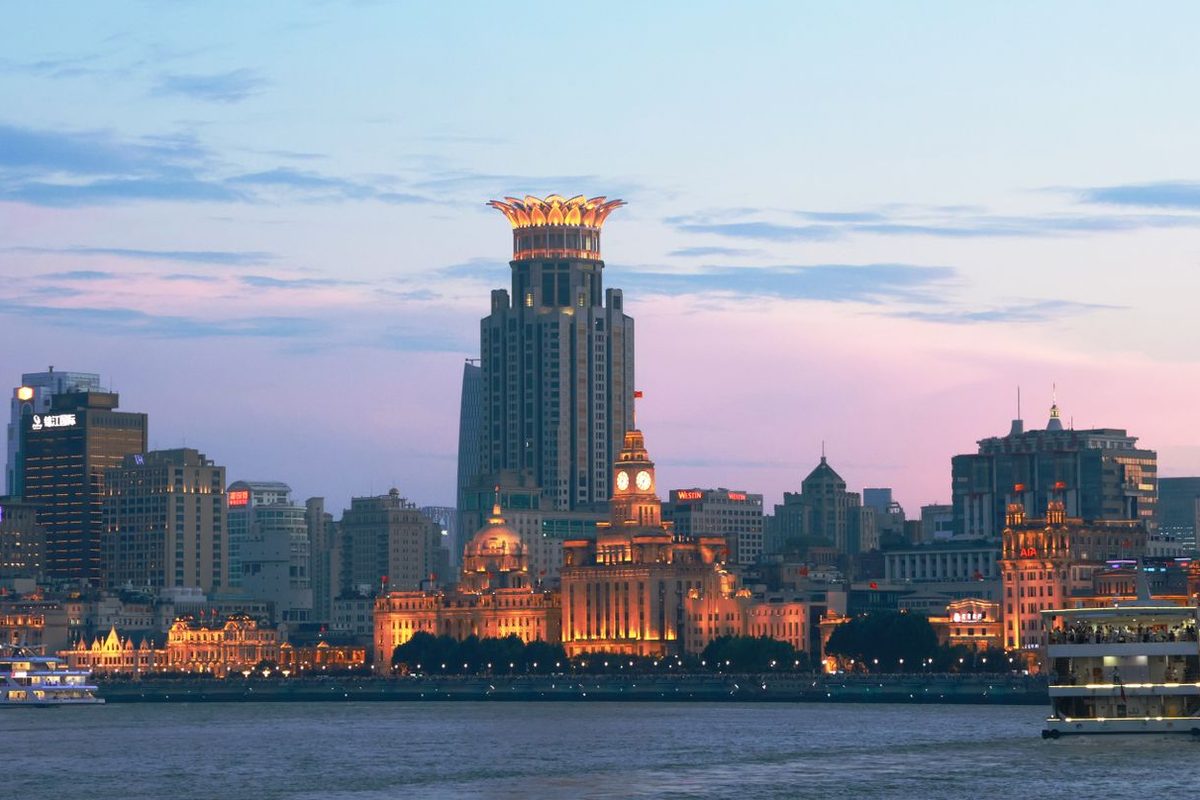 Shanghai City Break 4-Day Tour: The Bund, Art Deco & the Water Towns
4 days · 12
from $690
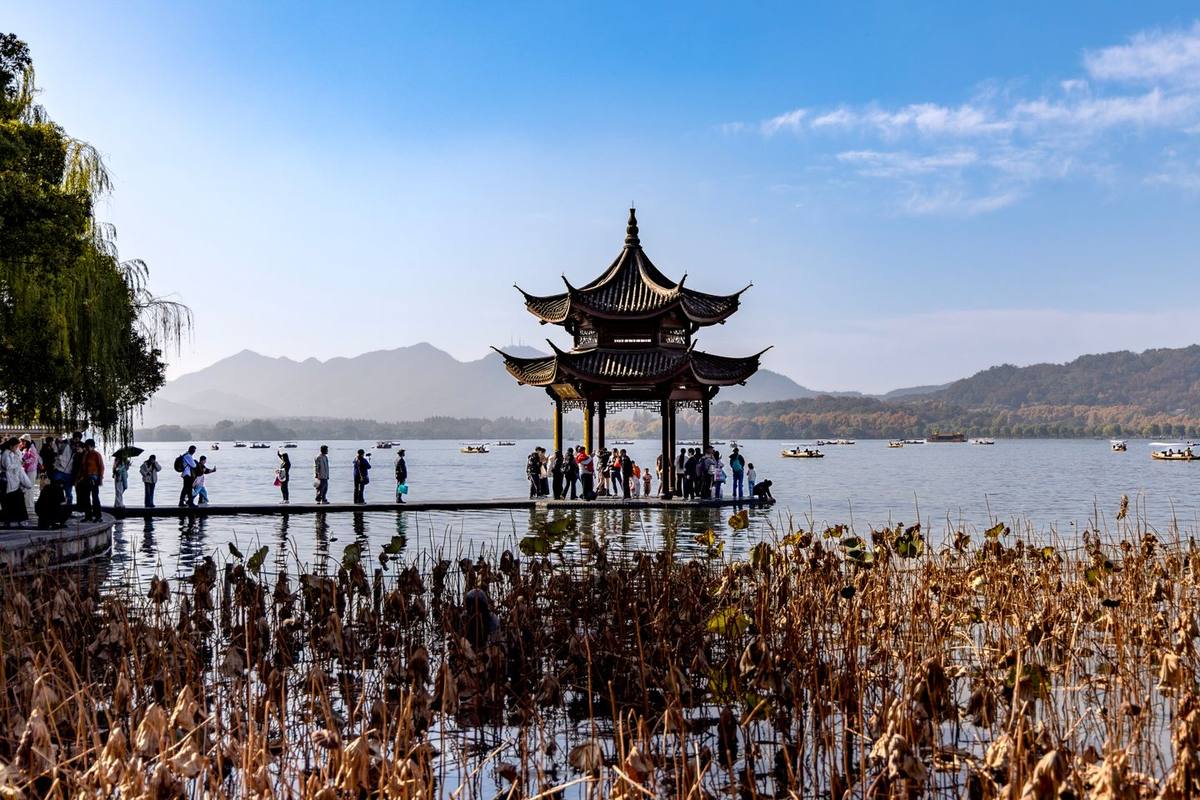 Hangzhou 3-Day Tour: West Lake, Longjing Tea & the Grand Canal
3 days · 10
from $560
 Suzhou 3-Day Tour: Classical Gardens, Canals & Silk
3 days · 10
from $520