Travel Guides
SIM Cards and eSIM for China
What actually works for data in China: a local SIM from one of three carriers, an eSIM bought before you fly, or roaming. Including which VPNs survive and why hotel wifi is not enough.
Updated · Hidden Valley Travel
The three options
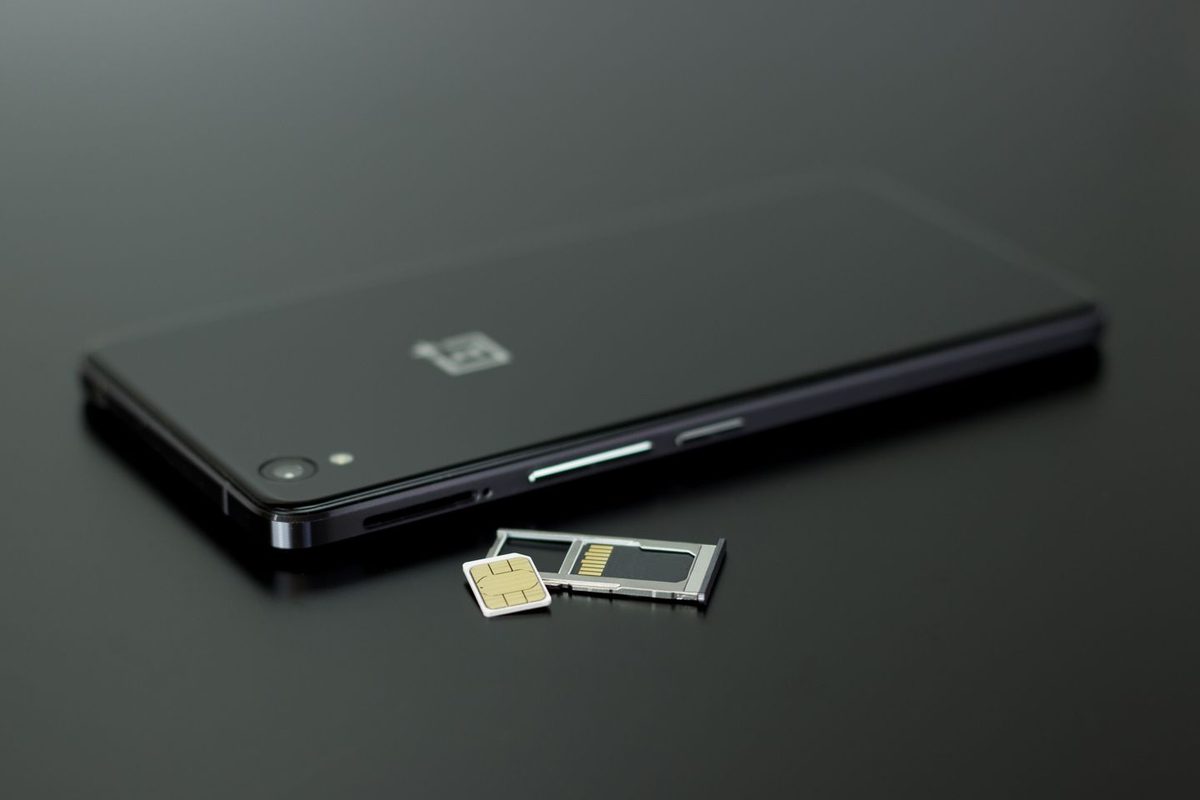
Local SIM is cheapest and fastest: China Mobile, China Unicom or China Telecom, from an airport desk or a carrier shop. Around $14–28 for a month of data. You need your passport — registration is mandatory and they photograph you. eSIM is the least friction: buy before you fly, activate on landing, keep your home number. The catch is that most travel eSIMs route outside mainland China, which means they bypass the firewall entirely — Google, WhatsApp and Instagram all work normally. That is the reason to choose one. Home roaming works and is simple, but it usually routes through your home carrier, which means the firewall applies and Google services will not load. Check the daily rate before you rely on it.What to do about the firewall
If you are on a local SIM or roaming, Google, Gmail, WhatsApp, Facebook, Instagram and most Western news sites do not load. Install and test your VPN before you arrive — the app stores are not reliably reachable from inside China, and VPN provider websites are blocked.
Assume it will fail sometimes. Have an offline map downloaded, keep a copy of your hotel address in Chinese characters, and do not build a plan that depends on a live connection.
Practical details
iPhone models sold in mainland China do not support eSIM; models from elsewhere do. Chinese Android phones vary. Check your handset before you buy an eSIM plan.
Free wifi in hotels and cafes requires a Chinese phone number to authenticate on many networks, which is a reason to get a SIM even if you have an eSIM. Airport wifi works with a passport scan at a kiosk.