Travel Guides
Chinese Food: A Regional Guide to What You Will Actually Be Eating
The eight regional cuisines worth knowing, what makes each of them different, and how to order well in a country where the menu is rarely the whole story.
Updated 2026-10-29 · Hidden Valley Travel
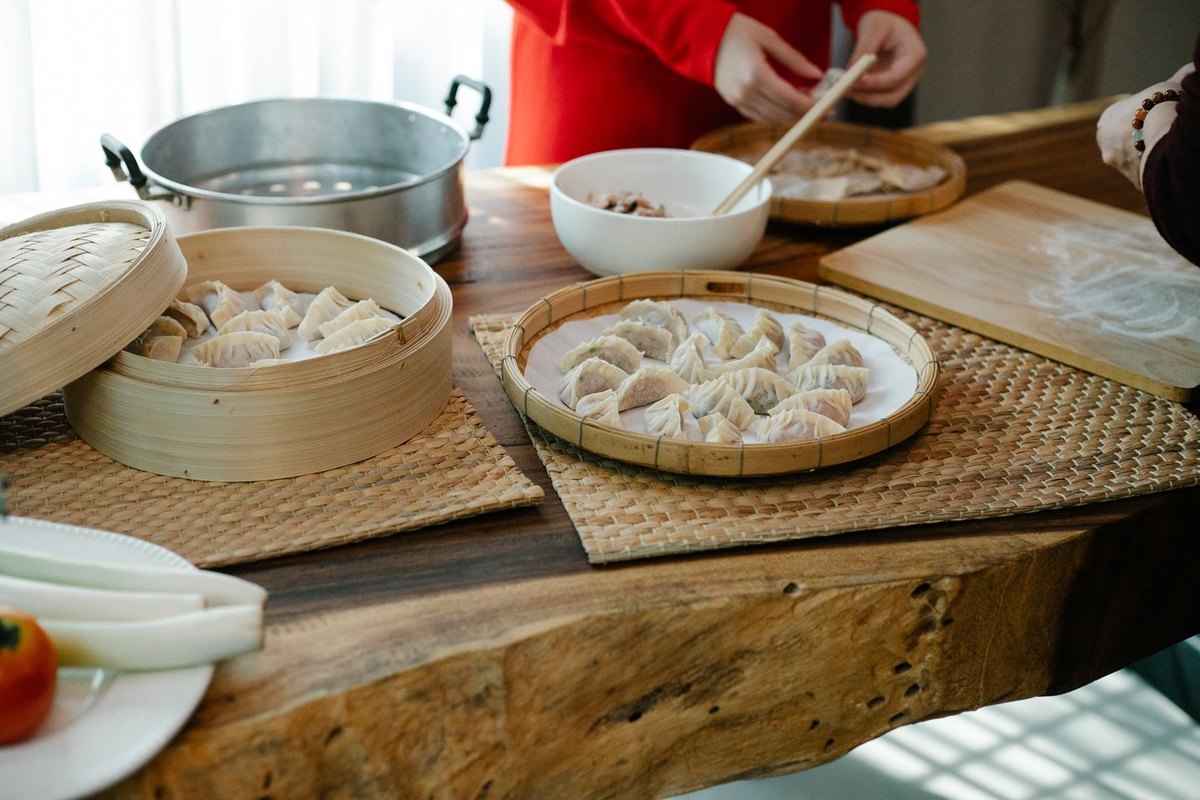
China has cuisines, not a cuisine
The food you had at home is a version of Cantonese cooking, adapted for a foreign palate and for a limited ingredient supply. It is one of at least eight distinct regional traditions that differ in staple grain, fat, heat and technique. Knowing which tradition you are eating in makes the trip considerably better.
The ones you will meet
- Cantonese (Guangdong) — the most familiar abroad: steaming, roasting and stir-frying with an emphasis on the ingredient rather than the seasoning. Dim sum, roast goose, white-cut chicken, and wok hei, the breath of the wok, which is a real and specific standard.
- Sichuan — chilli plus Sichuan pepper. The pepper delivers numbness, a tingling that is a physical sensation rather than a taste, and the combination is called mala. Dishes are constructed, not simply hot: mapo tofu, twice-cooked pork, fish-fragrant aubergine, and hotpot as a social form rather than a dish.
- Hunan — pure chilli heat without the numbing pepper, more sour and more smoke. Chairman Mao's braised pork, steamed fish heads with chopped chillies.
- Beijing and the north — wheat rather than rice: noodles, dumplings, pancakes. Peking duck is the one dish everyone has heard of, and the good rooms book days ahead. Zhajiangmian, lamb hotpot in winter, and the street food of Niujie.
- Shanghai and the Jiangnan — sweet-savoury, red-braised, and precise. Soup dumplings, drunken shrimp, lion's head meatballs, and the whole repertoire of river and lake freshwater cooking.
- Yunnan — the least known and one of the best: crossing-the-bridge noodles, steam-pot chicken, wild mushrooms in season, and Pu'er tea and goat cheese on the Tibetan edge.
- Xinjiang — Central Asian rather than East Asian: lamb skewers, naan from the tandoor, hand-pulled laghman noodles and pilaf. The food on the Silk Road itinerary is not the food you had in Beijing.
How to order well
Chinese meals are shared. The convention is roughly one dish per person plus one, and a mix rather than seven versions of the same thing: something meat, something vegetable, something with sauce, something plain. Rice and noodles come at the end, not with the main. Ordering only familiar dishes means eating the worst version of a regional cuisine; the useful move is to point at what the next table is eating and ask for one of those.
Dietary requirements
Vegetarian travel is easier than most people expect: Buddhist vegetarian cooking is a real tradition, and tofu, greens, mushrooms and aubergine appear everywhere. Be precise, though — broth and lard are not considered meat by many kitchens, and the phrase for strictly vegetarian is worth learning or carrying on a card. Gluten-free is hard: soy sauce is wheat-based and is in almost everything. Nut allergies are genuinely difficult; carry an epipen and a written card in Chinese.
Hygiene, honestly
Street food in China is not the risk visitors think it is. The reliable heuristics are turnover and temperature: a stall with a queue and a wok going is safer than an empty restaurant with a vast menu. Drink bottled or boiled water — hotels provide kettles, and tea is boiled water. Ice is generally made from boiled water in the cities on this site.