Travel Guides
Which Section of the Great Wall Should You Visit? Mutianyu, Badaling, Jinshanling & Jiankou
The four sections within reach of Beijing, what each is actually like on the day, and why we put Mutianyu on almost every itinerary and Jiankou on none.
Updated 2026-10-29 · Hidden Valley Travel
First: the Wall is not one thing
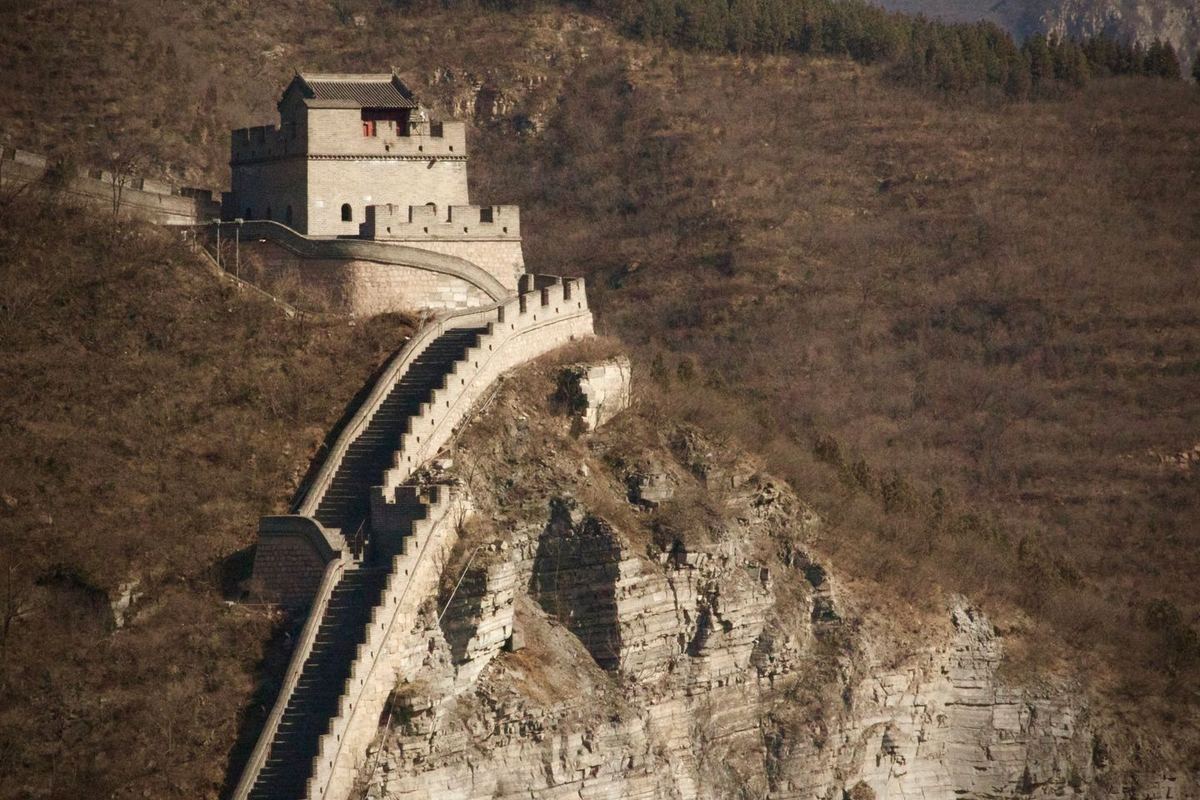
The Great Wall is a set of fortification lines built over two millennia across northern China, not a single continuous structure. What visitors see near Beijing is the Ming dynasty wall, built from the 14th century onward in brick and stone over rammed earth — which is why it looks like the photographs and why it is also fragile. Sections differ enormously in restoration state, crowding and difficulty, and the choice matters more than most first-time visitors expect.
Mutianyu — the default, and why
Seventy kilometres north-east of the city. Restored but not rebuilt into a concrete ramp, with 22 surviving watchtowers over about 2.5 km of open wall. It carries a fraction of Badaling's visitors, it has a cable car up and a toboggan down, and the setting — wall cresting a wooded ridge — is the image people come for. Three to four hours on the wall is realistic, which makes it the whole of a day with the drive. This is what we put on itineraries.
Badaling — closest, and busiest
Sixty kilometres north-west, the first section restored for tourism in the 1950s, and the one that appears on most package tours. It is fully restored, easy to reach by public transport, and sometimes shoulder-to-shoulder on the ramparts. If you want the shortest possible day and accept the crowds, it works. If the reason you came was to stand on the wall with some space around you, it does not.
Jinshanling — for walkers
About 130 km north-east, partly restored and partly left as ruin, on a ridge with long sightlines in both directions. The Jinshanling-to-Simatai walk is roughly 10 km and takes five to six hours with real climbs, and it is the best single day of wall walking within reach of Beijing — for people who want to walk, in good shoes, with water. We run it on request.
Jiankou — the one we do not schedule
Jiankou is unrestored, spectacular and genuinely dangerous: gradients above 60 degrees in places, crumbling brick, and no barriers. People are injured on it every year. It should only be walked with someone who knows the route and the current condition of the brick. We do not put it on scheduled itineraries and we will tell you the same thing in person.
Practical detail
Two hours of driving each way is normal to the nearer sections, so a Wall day is a full day and we do not combine it with the Forbidden City. Go early — the crowds build from about 10:00. Bring water, sun protection and shoes with grip: the steps are uneven brick and stone, and the descent is harder on the knees than the climb. Winter on the wall is clear, cold and almost empty, and is the best season if you can take it.