Travel Guides
What to Pack for China: A Season-by-Season List for Travellers
What is worth bringing, what is worth buying there, and the specific items that make a two-week trip across several climate zones actually work.
Updated 2026-10-29 · Hidden Valley Travel
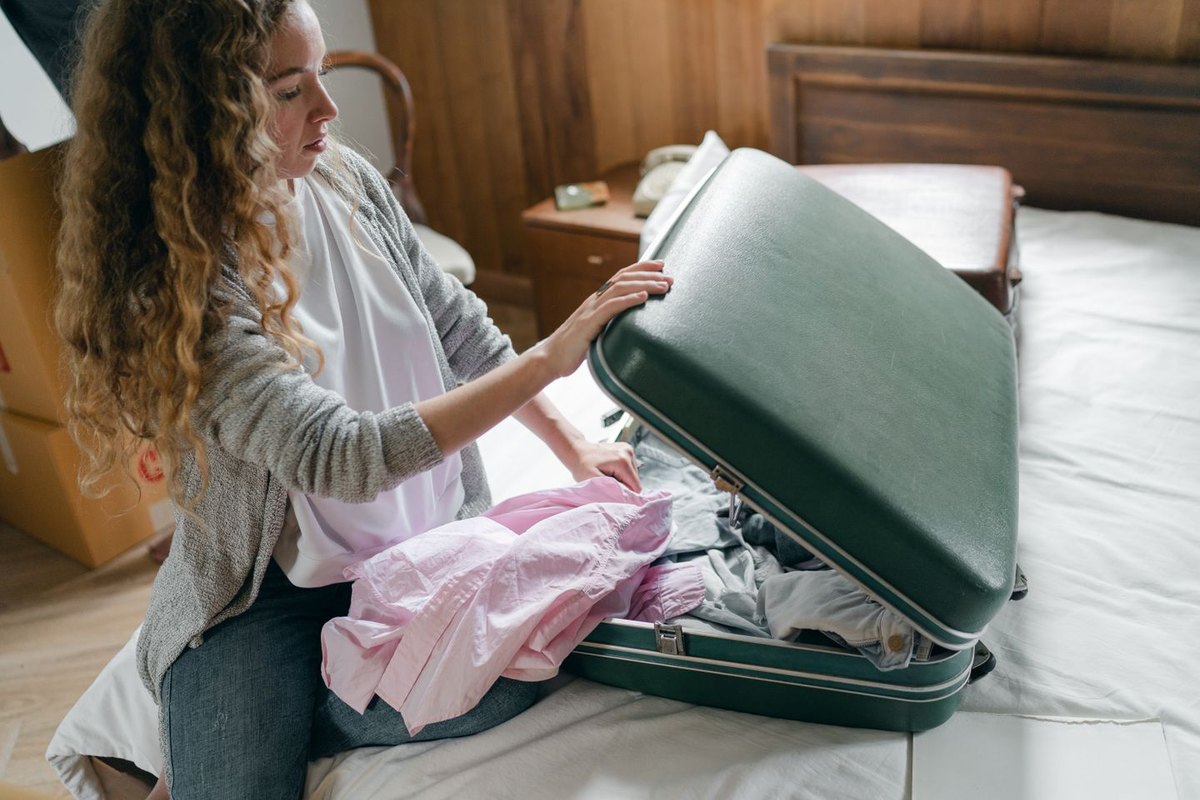
Pack for the range, not the average
China spans from tropical Hainan to minus 30 °C Heilongjiang, and even a single itinerary can cross three climate zones. A ten-day Beijing–Xi'an–Shanghai route in April means 25 °C afternoons in the south and 12 °C mornings in the north. The answer is layers, not bulk: a base layer, a midlayer, and a packable shell that handles wind and light rain.
The things people forget
- Power bank. You will be out for twelve hours using maps, camera and payment apps. Carry a 10,000 mAh unit and carry it in hand luggage — it is not allowed in checked bags.
- Universal adaptor. Chinese sockets take Type A (US flat), Type I (Australian angled) and Type C (European round) at 220 V. Most devices charge fine; check the voltage rating on anything with a motor, like a hairdryer.
- Toilet paper and hand sanitiser. Public toilets often supply neither, and the situation is not a crisis — just carry a small pack.
- Copies of your passport. A photo on the phone is enough for most situations; a paper copy helps at hotel check-in when the front desk is busy.
- Any regular medication, in original packaging. Bring a supply that covers the whole trip plus a week. Pharmacies are excellent in cities for common ailments but brand names differ, and a prescription for a controlled medication should travel with you.
- Comfortable shoes with grip. Not a style point. Stone steps at the Great Wall, at Huangshan and in the Zhangjiajie park are uneven, often wet, and there are many of them.
By season
- Spring (March–May) — light layers, a scarf for northern sandstorms, and one warm evening layer. Beijing and Xi'an swing 15 degrees between day and night.
- Summer (June–August) — the south is hot and humid; the north is hot and dry. Quick-dry clothing, a compact umbrella, and sun protection. Indoor air conditioning is aggressive; a light cardigan for restaurants is not silly.
- Autumn (September–November) — the best travel season and the easiest to pack for: layers and a rain shell. Northern China turns cold quickly in November.
- Winter (December–February) — for Harbin and the north, proper winter clothing: a down or synthetic jacket rated below minus 20 °C, insulated boots with grip, thermal base layers, gloves, a hat that covers the ears, and a scarf or balaclava. Phone batteries die fast below minus 20 °C; keep the phone inside your coat next to your body.
Buy there instead
Umbrellas, cheap power banks, phone cases, warm layers and souvenirs are all cheaper and better-stocked in China. Pack light and buy on arrival — every city has department stores and convenience stores open late. For winter trips to Harbin, renting or buying a proper jacket locally is genuinely cheaper than flying one in.
Luggage reality
There is no checked baggage on trains, and overhead racks on high-speed trains are smaller than aircraft bins. One medium suitcase plus a daypack is the workable combination for a multi-city rail itinerary. If you are doing the Tibet or Pamir routes, a soft duffel packs into a vehicle far better than a hard case.