Travel Guides
Internet in China: eSIM, Roaming, Wi-Fi & What Actually Works for Google and WhatsApp
The practical state of internet access for visitors in 2026: which connectivity option to choose, which everyday apps are blocked, and how to arrange access before you land rather than after.
Updated 2026-10-29 · Hidden Valley Travel
Choose your connectivity before you fly
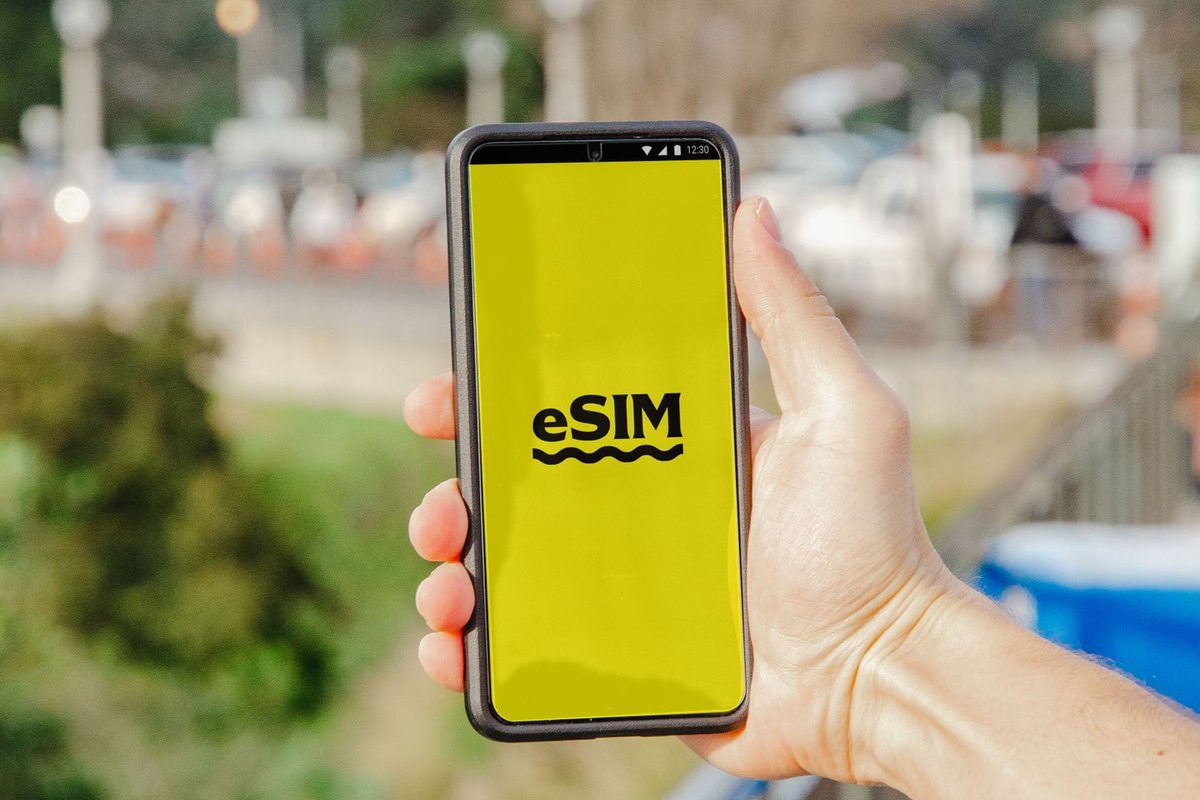
There are three ways to get data in China and they differ in exactly one important respect: whether the traffic leaves the country. A travel eSIM or a physical SIM from a non-mainland carrier routes through Hong Kong or another offshore gateway, which means the blocked services work with nothing extra installed. A mainland Chinese SIM or eSIM is cheaper and faster but routes inside the country, so the usual restrictions apply. International roaming on your home plan usually behaves like the first option and usually costs the most.
For a two-week trip, an eSIM from a regional provider is the least friction. Install it at home, keep your home line active for SMS bank codes, and switch the data line on landing.
What is blocked
Google services including Search, Maps, Gmail and YouTube; Meta services including WhatsApp, Instagram and Facebook; X; most Western news sites; and a rotating set of others. What reliably works without anything special: WeChat, Alipay, Baidu Maps, Amap, Didi, Trip.com, Ctrip, Apple Maps, and most airline and hotel sites. Booking and messaging apps that are Chinese or that have Chinese versions generally work fine.
Practical consequence: set up WeChat with the people you need to reach before you travel, because it is the one messaging app that works on both sides of the border, and save offline maps for every city on your route.
Maps
Google Maps data for China is poor and its routing does not work. Use Amap (Gaode) or Baidu Maps. Both have partial English, and both handle metro routing, real-time bus arrival and walking directions better than any international alternative. If you cannot read the place names, ask your hotel to write the destination in Chinese characters on a card — that single trick solves most navigation problems.
Wi-Fi
Hotels, cafés and most restaurants have free Wi-Fi, usually with a code at the counter. Airport and station Wi-Fi in China generally requires a local phone number for the SMS code, which visitors do not have; assume it is unavailable and use your data line. Public Wi-Fi is not a substitute for a data connection here.
A note on the rules
Visitors should be aware that the regulatory position on circumvention tools is restrictive, and that enforcement and availability both change. We do not sell or configure VPNs. The reliable, boring answer is a travel eSIM or roaming plan that routes offshore — it is simply connectivity you have paid for, and it does not depend on anything you install in the country.