Travel Guides
How to Book Train Tickets in China: 12306, Windows, Apps & What Goes Wrong
The mechanics of Chinese rail ticketing: the 15-day release window, real-name rules, why the official app is hard for foreign cards, and how to collect tickets with a passport.
Updated 2026-10-29 · Hidden Valley Travel
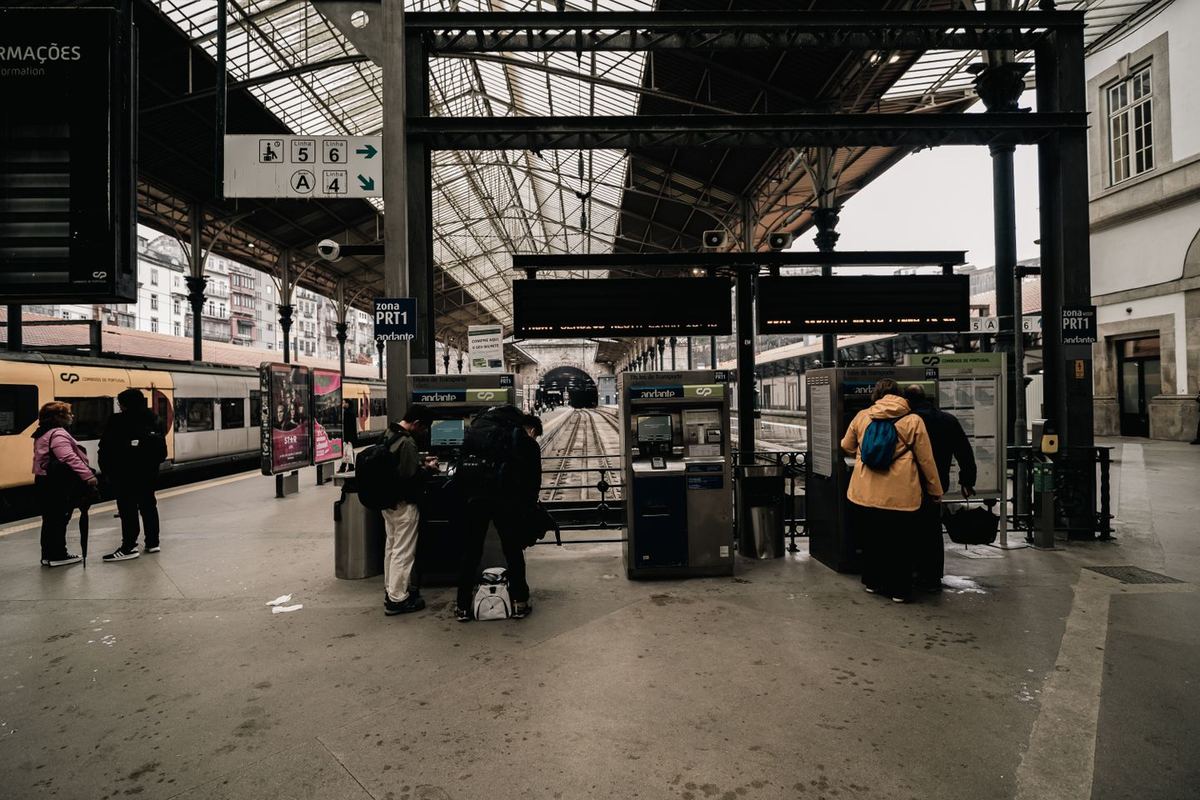
The release window
Tickets go on sale 15 days before departure, at a time that varies by station but is generally in the morning. For the legs that matter — Beijing to Xi'an, Xi'an to Chengdu, Guangzhou to Guilin — the good departures go within minutes on Fridays and before public holidays. There is no queue system and no waitlist; the ticket is either there or it is not. If you are building your own itinerary, this is the constraint everything else bends around.
Real-name, in practice
Every ticket is tied to a passport number, and the name and number must match the document you travel on exactly. A passport renewed after booking means the ticket is void. Children need their own ticket above a certain height and their own passport entry. At the station, the gate reads the passport itself on most high-speed lines — you tap the document on the reader rather than showing a paper ticket, which is quicker than it sounds and removes the collection step entirely.
The official channel and why it is difficult
The only official seller is 12306. Its app has an English interface, but registration typically requires a Chinese mobile number, and payment by foreign card frequently fails. That combination is the reason independent travellers report the process as impossible. There are three workable routes:
- Buy at the station — bring your passport to a ticket window. It works, the staff are used to it, and it costs you an hour.
- Use an agency — we book tickets for clients and charge a small per-ticket fee; the price is transparent and the seat class is the same.
- Book through a third-party platform — several accept foreign cards for a service fee. Check carefully which ones are actually authorised.
What goes wrong, and how to avoid it
- Wrong station. Big cities have more than one: Beijing has Beijing Station, Beijing South, Beijing West and Beijing North; Shanghai has Shanghai Station, Shanghai South, Hongqiao and Shanghai East. They are not close to each other. Check the station name on the ticket against your hotel's location before you book a hotel.
- Too little transfer time. Sixty minutes is the floor for a station change in Beijing or Shanghai; ninety is safer at peak hours.
- Holiday weeks. Chinese New Year, the first week of May and the first week of October move tens of millions of people. Trains sell out in minutes and hotels triple in price. If your dates fall in those windows, book as early as the system allows.
- No baggage check. There is no checked luggage on Chinese trains. Large suitcases go in the racks or behind the last row, and if the train is full you will be lifting it overhead yourself.
If the train is sold out
Two options that usually work. Take a later or earlier departure — most corridors have trains every 20 to 40 minutes — or take a neighbouring origin station. Failing both, the same-corridor flight is the fallback and we will requote it.